
Creative Expression Through Coloring: The Complete Guide to Mindfulness, Calm & Anxiety Relief
Quick Answer: Creative expression through coloring is a research-supported mindfulness activity that activates the brain’s relaxation response, reduces cortisol levels, and provides a structured, screen-free path to anxiety relief. It requires no artistic training — only intention, color, and a few quiet minutes.
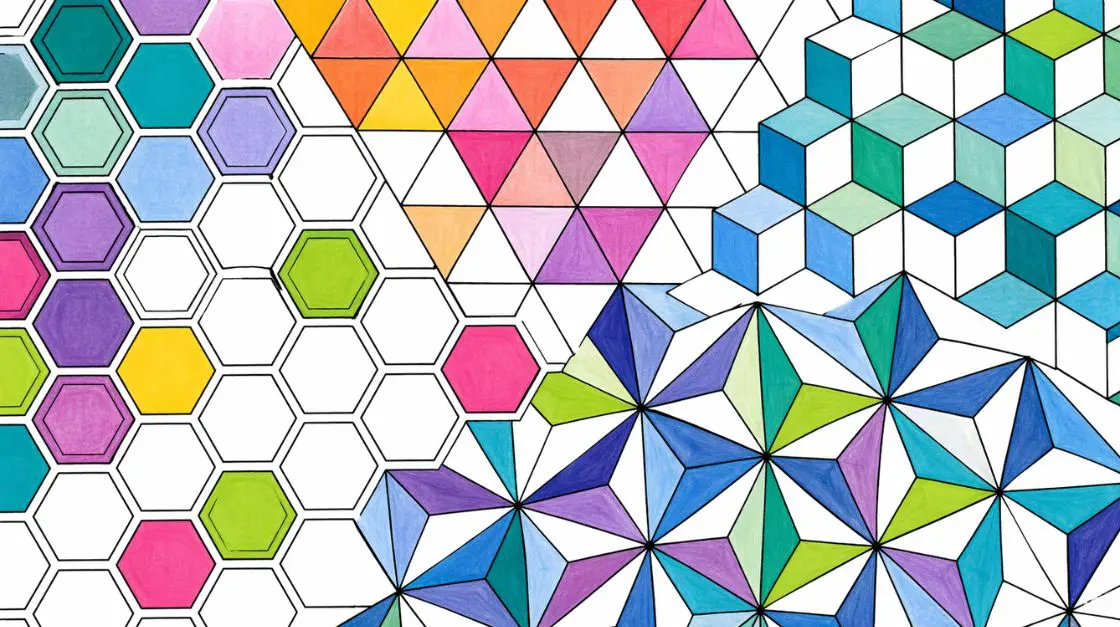 Somewhere between your third unread notification and the to-do list that never gets shorter, your nervous system is quietly begging for a break.
Creative expression isn’t a luxury. It’s a neurological need — and for millions of adults, picking up a coloring pencil has become one of the most accessible, affordable, and surprisingly powerful tools for restoring mental equilibrium.
This guide goes beyond the surface. You’ll find the science behind why coloring works, step-by-step mindfulness techniques tailored to printable coloring pages, supply recommendations, and a clear path to building a sustainable coloring practice that genuinely supports your mental health.
What Is Creative Expression, and Why Does It Matter for Mental Health?
Definition: Creative expression is the process of externalizing internal thoughts, emotions, and experiences through a chosen medium — in this context, color, pattern, and line. It is one of the oldest and most universally human activities, predating written language by tens of thousands of years.
For adults navigating modern stress, creative expression through coloring offers something rare: a low-barrier, immediately accessible activity that keeps hands busy, quiets mental chatter, and produces something tangible and beautiful.
Unlike passive relaxation (scrolling, watching TV), creative expression is active rest — a state in which your brain shifts from default-mode rumination to focused, present-moment engagement. Psychologists sometimes call this a “flow state,” and it is one of the most reliably restorative mental states a person can enter.
Why Adults Specifically Benefit from Creative Expression
| Benefit | Why It Matters for Adults |
|---|---|
| Reduces cognitive overload | Color-filling is complex enough to occupy the mind, but not complex enough to create new stress |
| Builds a sense of mastery | Completing a page creates tangible evidence of accomplishment |
| Activates the parasympathetic nervous system | Rhythmic, repetitive motion lowers heart rate and blood pressure |
| Creates emotional distance from rumination | Focused attention on color choices interrupts anxiety loops |
| Requires no prior skill | Unlike painting or drawing, coloring within printed lines is accessible from day one |
The Science: Why Coloring Relieves Anxiety and Stress
Key Insight: Coloring engages the prefrontal cortex — the brain’s executive center — in a way that effectively “crowds out” the amygdala-driven fear and anxiety response. It is a form of structured attentional focus with measurable physiological effects.
What Research Tells Us about Mindfulness Activities
Multiple peer-reviewed studies have investigated the relationship between coloring and psychological well-being:
- Cortisol reduction: Studies measuring salivary cortisol (the primary stress hormone) have found meaningful reductions in participants who engaged in structured coloring activities compared to control groups engaged in unstructured rest.
- Anxiety state scores: Research published in peer-reviewed art therapy journals documents reductions in self-reported state anxiety (how anxious you feel right now) following coloring sessions as short as 20 minutes.
- Bilateral brain activation: Brain imaging studies show that coloring engages both hemispheres simultaneously — the logical (pattern, line recognition) and creative (color choice, aesthetic judgment) — producing a uniquely balanced neural state.
- Comparison to meditation: Several studies have compared coloring to formal meditation practices and found comparable reductions in anxiety state for participants who found traditional meditation difficult to sustain.
The Neurological Mechanism of Mental health coloring pages
When you sit down with a mindful coloring page and begin filling in a pattern, several things happen at once:
- Attentional narrowing: Your focus contracts from global worries to the immediate, manageable task of choosing colors and staying within lines.
- Motor-cognitive coupling: Hand movement coordinates with visual processing, creating a feedback loop that anchors awareness in the present moment.
- Aesthetic micro-decisions: Each color choice engages mild executive function — enough to occupy rumination-prone circuits without triggering performance anxiety.
- Completion satisfaction: Finishing a section or a page releases a small pulse of dopamine — the brain’s reward signal.
This is not merely relaxation. This is a structured neurological intervention disguised as a hobby.
Coloring Mindfulness Activities vs. Other Mindfulness Activities
| Activity | Skill Required | Equipment | Portable | Produces Tangible Output |
|---|---|---|---|---|
| Mindfulness Meditation | Medium (practice required) | None | Yes | No |
| Yoga | Medium | Mat, space | Partial | No |
| Journaling | Low-Medium | Paper, pen | Yes | Yes |
| Coloring | Very Low | Pages + pencils | Yes | Yes |
| Drawing/Painting | Medium-High | Multiple supplies | Partial | Yes |
Mindfulness Activities Through Coloring: A Practical Framework
Mindfulness coloring is not simply coloring while distracted. It is a deliberate practice of sustained, non-judgmental attention — applied to the act of filling in color.
The Three Pillars of Mindful Coloring
1. Present-Moment Awareness Rather than thinking about what you’ll cook for dinner while mechanically filling in a page, you notice: What does this shade of blue feel like? How does the pencil move across this texture? What emotion does this color choice bring up?
2. Non-Judgment There are no wrong colors. There is no perfect outcome. Mindful coloring releases you from the tyranny of outcomes and returns you to the freedom of process.
3. Sensory Engagement Notice the smell of the paper. The weight of the pencil. The sound of graphite against the page. These sensory anchors are identical to the “noticing” techniques taught in formal mindfulness-based stress reduction (MBSR) programs.
Five Mindfulness Coloring Techniques You Can Try Today
Technique 1: Breath-Paced Coloring. Inhale as you make one stroke. Exhale as you make the next. Use your breathing rhythm to set the pace of your coloring. This directly couples the relaxation response to the creative act.
Technique 2: Emotion-Color Mapping. Before you begin, ask yourself: What am I feeling right now? Choose your first colors based on that emotion — not on what “looks right.” This is the basis of expressive art therapy and emotional processing. Revisit the page after 20 minutes and notice if your color choices have shifted.
Technique 3: Body Scan Coloring. Before picking up your pencil, take two minutes to mentally scan your body from head to feet, noticing areas of tension. Then, as you color, dedicate each section of the page to consciously releasing one area of physical tension.
Technique 4: Gratitude Coloring. With each color you apply, silently name something you are grateful for. The page becomes a visual record of appreciation — a mindfulness activity layered inside a creative one.
Technique 5: The Single-Color Meditation Choose just one color family (all blues, all greens, all warm neutrals). Work with variations within that family for the entire session. This constraint focuses the mind powerfully and creates surprising aesthetic depth. Learn more about the basics of color theory to deepen this practice.
How to Use Mental Health Coloring Pages for Relaxation (Step-by-Step)
Coloring sheets for relaxation work best when approached with intention. Here is a complete beginner-to-advanced framework.
Step 1: Choose the Right Environment
- Lighting: Natural light or a warm-toned lamp reduces eye strain and creates a calming atmosphere. Avoid harsh overhead fluorescents.
- Sound: Soft instrumental music, nature sounds, or silence. Avoid podcasts or TV — cognitive input from language processing competes with the meditative state you are cultivating.
- Seating: A comfortable chair with your coloring surface at a slight angle (a clipboard on your lap, or a tilted surface) reduces neck tension.
- Duration: Start with 15–20 minutes. Most people find this sufficient for a measurable mood shift. Build toward 30–45 minutes as your practice develops.
Step 2: Select the Right Design
Not all coloring sheets for relaxation are created equal. For maximum anxiety relief, look for:
- Repetitive geometric patterns: Mandalas, Celtic knots, and tile patterns engage the brain’s pattern-recognition systems, which are inherently calming.
- Organic flowing shapes: Floral designs, botanical illustrations, and nature scenes tap into biophilic responses (humans’ innate positive response to natural forms).
- Medium complexity: Too simple creates boredom; too complex creates frustration. Aim for designs with sections roughly the size of your thumbnail.
- Avoid tight, dense microdetail if you’re a beginner: Reserve intricate designs for sessions when your focus is already calm.
Step 3: Prepare Your Supplies
Set out your tools before sitting down — rummaging through pencil cases mid-session breaks the meditative flow. A simple setup:
- 12–24 colored pencils or markers
- A pencil sharpener within reach
- A test scrap of paper for trying colors
Step 4: Begin with Intention
Take three slow breaths before your first mark. State (silently or aloud) a simple intention: “This time is mine. I am here to rest and create.” This is not woo — it is a cognitive context-setting technique that signals your nervous system to shift gears.
Step 5: Color Without Judgment
Resist the urge to photograph, share, or evaluate your work mid-session. The goal is process, not product. Keep going even when you “make a mistake.” Some of the most beautiful pages come from unexpected choices.
Step 6: Close with Reflection
When you finish, spend two minutes simply looking at your completed page. Notice how your body feels compared to when you started. This closing reflection consolidates the relaxation response and builds the association between coloring and calm over time.
Mental Health Coloring Pages: Types, Uses & Benefits {#mental-health-coloring-pages}
Mental health coloring pages is a broad category encompassing designs specifically created to support emotional processing, anxiety relief, mindfulness practice, and therapeutic work.
Key Categories
Anxiety Relief Pages. These typically feature:
- Slow, repetitive patterns that reward sustained attention
- Open, flowing compositions that don’t feel visually “tight” or claustrophobic
- Calming subject matter: nature, water, landscapes, soft botanicals
Explore the free stress relief coloring pages available for download, or the full printable stress relief coloring pages for adults collection.
Emotion Processing Pages: These pages include:
- Imagery that represents emotional states (weather, landscapes, abstract forms)
- Space for written reflection alongside the color
- Symbolic motifs drawn from art therapy traditions
The 40+ Emotion Coloring Pages for Adults – Mindful Healing & Affirmations collection was specifically designed for this purpose, combining expressive imagery with affirmation prompts.
Affirmation and Intention Pages. Pages incorporating words, quotes, or affirmations allow coloring to reinforce positive self-talk. As you fill in the letterforms and surrounding designs, the affirmation enters working memory repeatedly — a form of structured positive self-suggestion.
Mandala Coloring Pages Mandalas have been used in contemplative traditions for centuries precisely because their radial symmetry and repetitive structure mirror the brain’s natural tendency toward pattern. Modern mandala coloring pages printable collections extend this tradition into an accessible daily practice. The 56 Mandala Coloring Pages – Unwind and Find Your Calm is one of the most comprehensive options available.
Journaling + Coloring Hybrid Pages: Combining mindfulness coloring and journaling maximizes the therapeutic benefit. These pages blend visual and written expression for adults who process emotions through both channels.
Mental Health Coloring Pages in Therapeutic Contexts
It is worth noting that mental health coloring pages are used by art therapists, school counselors, clinical psychologists, and workplace wellness coordinators — not only at home. They serve as:
- Non-verbal entry points for clients who struggle to articulate distress
- Grounding tools during anxiety spirals or dissociative states
- Homework between therapy sessions to maintain engagement with emotional processing
- Group activities in residential treatment, grief support, and trauma recovery programs
Note: Coloring is a powerful wellness tool, not a substitute for professional mental health care. If you are experiencing significant anxiety, depression, or trauma symptoms, please work with a qualified mental health professional.
Mindful Coloring Pages: Design Features That Deepen the Effect
Not every coloring page supports mindfulness. Mindful coloring pages are specifically designed to facilitate — rather than frustrate — the meditative state. Here is what separates them from generic coloring sheets.
Design Features of Truly Mindful Coloring Pages
1. Intentional White Space Pages with breathing room between elements allow the eye (and mind) to rest. Overcrowded designs create visual stress rather than relieving it.
2. Organic Line Quality Hand-drawn, slightly imperfect lines feel warmer and more human than hard geometric perfection. This organic quality invites engagement rather than demanding performance.
3. Variable Scale A mix of large, easy-to-fill areas and smaller detailed sections allows you to shift between deep relaxation (large areas) and focused concentration (smaller details) within a single session.
4. Nature and Botanical Motifs Research on biophilic design consistently shows that natural forms — leaves, flowers, water, animals — produce lower cortisol responses than abstract or urban imagery. The best floral coloring pages and mindfulness coloring pages for adults leverage this effect.
5. No Competitive Context Mindful coloring pages should never feel like a puzzle to solve or a test to pass. The design should invite personal color choices rather than implying a “correct” outcome.
How to Evaluate a Coloring Page for Mindfulness
Ask yourself before printing:
- Does this design feel inviting or intimidating?
- Is there room to move at different speeds within it?
- Does the subject matter feel calming to you personally?
- Is the line quality warm and organic, or stiff and mechanical?
Your personal response to a design matters more than any objective criteria.
Essential Supplies: What You Actually Need
One of the most common barriers to starting a coloring practice is the feeling that you need the “right” supplies before beginning. You don’t. Here is an honest assessment of what matters — and what doesn’t.
The Minimum Viable Coloring Kit
| Item | What to Look For | Budget Option | Upgrade Option |
|---|---|---|---|
| Colored Pencils | Smooth pigment, no scratching | Crayola 24-count | Prismacolor Premier, Faber-Castell |
| Coloring Pages | High contrast lines, good paper weight | Print on standard 80gsm | Print on 100gsm matte |
| Hard Surface | Prevents texture bleed-through | Hardcover book | Clipboard or drawing board |
| Pencil Sharpener | Barrel sharpener for consistent points | Any double-hole sharpener | Dahle or Kum sharpener |
Colored Pencils vs. Markers: Which Is Better for Relaxation?
Colored Pencils:
- Slower, more controlled application → deeper relaxation effect
- Allow shading, layering, and blending → more meditative depth
- No bleed-through on standard paper
- Best for intricate designs and fine details
Markers (Brush or Fine-Tip):
- Faster, more saturated color → satisfying for broader coverage
- Require bleed-proof paper
- Excellent for bold, gestural work
- Better suited for larger designs with open areas
Recommendation: Start with colored pencils. The slower pace is intentional — it better serves the mindfulness goal than the markers’ speed.
For a comprehensive breakdown, see the full guide to the best coloring tools for adults.
Paper Matters More Than Most People Realize
Printing your coloring pages on paper that is too thin (under 75 gsm) makes pencil marks feel scratchy, and markers bleed through. Printing on 90–100gsm paper significantly improves the coloring experience. If your home printer allows manual paper feed, stock it with quality matte presentation paper for your coloring sessions.
Coloring Techniques for Beginners and Beyond
You don’t need artistic training to color beautifully. These techniques are accessible from day one and deepen with practice.
Beginner Techniques
Even Pressure Strokes Apply consistent, light pressure in one direction across each section before adding a second layer. This prevents patchiness and creates smooth, professional-looking results.
Light Layering Rather than pressing hard with a dark color, build darkness gradually through multiple light layers. This gives you control and creates richer, more luminous color.
Working from Light to Dark: Always place your lightest colors first. You can always add darkness; you cannot remove it from a colored pencil.
Circular Motion Fill For small sections, tiny circular motions (rather than back-and-forth strokes) fill evenly without leaving directional lines.
Recommended for This Topic
Mindfulness Coloring Pages for Adults Printable — Calming PDF Set

400+ Stress Coloring Pages for Adults — Calming PDF Bundle
75+ Adult Coloring Pages for Relaxation — Printable PDF Set
Intermediate Techniques
Color Temperature Contrast Pair warm colors (reds, oranges, yellows) with cool neighbors (blues, greens, purples) to create visual vibration and depth. Understanding color theory basics makes this intuitive.
Burnishing After layering multiple colors, press firmly with a white or light-colored pencil to blend them together and create a smooth, almost painted finish.
Complementary Color Shading: Instead of shading with black or grey, shade with the complement of your base color (e.g., shade orange with blue, shade yellow with violet). This is how professional illustrators create rich, naturalistic depth.
For detailed video-style guidance, the free coloring tutorials hub covers these and many more techniques step-by-step.
Advanced Techniques
Blending with Solvent: A small amount of odorless mineral spirits on a cotton swab, applied over colored pencil, dissolves the wax binder, creating smooth, watercolor-like blends. Practice on scrap paper first.
Graduated Color Backgrounds: Fill backgrounds with gradients (one color flowing into another) to create atmosphere and depth behind your main subject.
Neo Deco Style For adults interested in sophisticated aesthetic depth, the Neo Deco coloring technique blends Art Deco geometry with contemporary color palettes for strikingly beautiful results.
See the full mastering coloring book techniques guide for an exhaustive breakdown of blending, shading, and layering for every medium.
Building a Daily Coloring Ritual for Lasting Calm
A single coloring session relieves stress. A daily coloring ritual transforms your relationship with stress.
Research on habit formation confirms that the benefits of any wellness practice compound over time. The anxiety-relieving effect of coloring grows as your nervous system learns to associate the setup ritual with a state of relaxation.
How to Create Your Daily Coloring Ritual
The full guide to creating a daily coloring ritual covers this in depth, but here are the core principles:
1. Anchor Your Practice to an Existing Habit. “After my morning coffee” or “before my evening shower” attaches the new behavior to an established one, dramatically increasing consistency.
2. Prepare Your Space in Advance. Keep your coloring supplies in a dedicated, visible location. Visual accessibility removes friction. The fewer steps between you and the beginning, the more likely you are to sit down.
3. Start Smaller Than You Think You Should. Five minutes count. Ten minutes is meaningful. Fifteen minutes produces measurable calm. The goal is consistency over duration, especially in the first month.
4. Track Your Mood A simple 1–10 mood rating before and after each session, logged in a notebook or the 60-Day Mood Journal, builds concrete evidence of the practice’s effect on your wellbeing. This evidence sustains motivation during periods when the habit feels like an effort.
5. Give Yourself Permission to Stop. Paradoxically, knowing you can stop after five minutes makes it easier to begin. Most people continue longer once they’ve started — but permission removes resistance.
What to Color When You’re Very Anxious
When anxiety is high, intricate designs can feel overwhelming rather than calming. In these moments:
- Choose a bold, easy coloring page with large, open areas — the 35 Bold and Easy Coloring Pages collection was designed precisely for this
- Use one color family only — this simplifies decision-making when cognitive load is already high
- Work on the border or background first — starting from the edges inward is psychologically less daunting than beginning in the center
- Focus on your breathing, not the outcome of the page
When anxiety is moderate:
- Mandala coloring pages provide the right level of engaging complexity
- Nature scenes and florals offer comforting familiarity
When you simply want creative joy:
- Fantasy coloring pages and imaginative worlds provide escapist delight
- Ocean coloring pages evoke the naturally calming quality of water imagery
Seasonal and Thematic Coloring for Year-Round Wellness
One of the underappreciated features of printable coloring practice is its natural alignment with seasonal rhythms — a dimension of well-being that many adults have lost amid the uniformity of climate-controlled, screen-dominated modern life.
Seasonal coloring reconnects you to the cycle of the natural year, which research in chronobiology links to improved mood, sleep quality, and sense of temporal meaning.
Seasonal Coloring Recommendations
Spring: Spring coloring pages featuring blooms, new growth, and light-filled compositions support the seasonal mood lift many people experience. The Spring Reset Bundle (68 pages of coloring and greeting cards) is a complete seasonal kit.
Summer: Summer coloring pages and the Summer Coloring Pages Printable Bundle capture warmth, outdoor abundance, and joyful energy — mood-supportive throughout the season.
Autumn: The warm, grounding palette of fall is inherently soothing. Autumn leaves coloring, and the Fall Coloring Bundle (150+ pages) offer rich seasonal engagement. The 58 Autumn Coloring Pages collection is particularly popular for its cozy, detailed designs.
Winter/Holiday: The Winter Coloring Bundle (80+ festive pages) and the Winter Coloring Book (200+ pages) provide extensive seasonal resources. The New Year Wellness Bundle, pairing coloring pages with the 60-Day Mood Journal, makes an intentional start to the new year.
The Therapeutic Value of Seasonal Themes
Beyond aesthetics, seasonal coloring serves specific well-being functions:
- Spring: Renewal, hope, beginning again — emotionally important for those with seasonal depression
- Summer: Energy, warmth, outdoor connection — grounding for those prone to anxiety in heat or crowds
- Autumn: Acceptance of endings, gratitude, harvest — powerful for those working through transitions or loss
- Winter: Rest, introspection, light within darkness — supportive during the most psychologically challenging season for many adults in northern climates
Printable Coloring Page Recommendations
For Anxiety Relief and Stress Reduction
- Printable Stress Relief Coloring Pages for Adults — The dedicated stress relief category
- 35 Mindfulness Coloring Pages for Adults, designed for meditative focus
- Stress Relief Coloring Bundle – 400+ Designs — , the most comprehensive option
- 75+ Stress Relief Coloring Pages Bundle — excellent mid-range value
- Free Stress Relief Coloring Pages — Start here at no cost
For Mindfulness Practice
- 56 Mandala Coloring Pages, perfect for meditative repetition
- Mandala Coloring Bundle – 150+ Designs — the definitive mandala collection
- Free Mandala Coloring Pages — Free downloadable mandalas to start
For Emotional Processing
- 40+ Emotion Coloring Pages with Affirmations — art therapy-inspired
- Powerful Emotions Coloring Pages with Affirmations — affirmation-focused
- 60-Day Mood Journal — companion journaling tool
For Beginners
- 5 Coloring Pages — Different Styles to Try Today — ideal starting sampler
- 15 Mandala – Taste of Mindfulness — ultra-low-cost entry point
- 35 Bold and Easy Coloring Pages — low-complexity, high-satisfaction
For Creative Exploration
- Printable Wildflower Coloring Pages — detailed botanical art
- 55 Printable Floral Coloring Pages — comprehensive floral collection
- 50 Cozy Coloring Pages for Women — joyful everyday scenes
Mega Bundles for Committed Practice
- Adult Coloring Bundle – 120+ Designs
- Botanical Coloring Bundle – 350+ Designs
- Feeling Overwhelmed? Print This & Relax Tonight Bundle — curated specifically for stress moments
🎨 New to printable coloring? Browse all designs at EG Creativity Art Printable Coloring Pages — organized by theme, complexity, and season. Subscribe to the EG Creativity Club for monthly new releases and exclusive member designs.
Coloring for Wellness: Key Takeaways
Before diving into the FAQ, here is a summary of the core insights from this guide:
- Creative expression is active rest — not passive entertainment, but structured neurological recovery.
- Coloring reduces cortisol and anxiety state scores through attentional narrowing and bilateral brain engagement.
- Mindfulness coloring works best with intention — environment, breath, and non-judgment transform a hobby into a practice.
- Design matters: Medium complexity, organic lines, and nature motifs maximize the relaxation effect.
- Colored pencils serve mindfulness better than markers — the slower pace deepens the meditative state.
- Consistency compounds — a five-minute daily practice outperforms an occasional two-hour session.
- Seasonal coloring reconnects you to natural rhythms — an underappreciated dimension of wellbeing.
- Printable pages give you unlimited variety — no coloring book ever needs to run out.
For deeper reading, the coloring therapy benefits guide and the coloring for wellness resource offer expanded evidence and practical frameworks.
FAQ: Mindful Coloring, Anxiety Relief & Creative Expression
Q1: Can coloring actually reduce anxiety, or is it just a trend?
A: The evidence is substantive. Multiple peer-reviewed studies document reductions in both self-reported anxiety and physiological stress markers (cortisol) following structured coloring sessions. Mental health coloring pages — especially those featuring complex, repetitive patterns like mandalas — show effects comparable to formal mindfulness meditation in some studies. See the “How Coloring Helps with Anxiety ” guide for a detailed review of the evidence.
Q2: How long do I need to color to feel the benefits?
Research documents measurable mood improvements in sessions as short as 20 minutes. Most people report a perceptible shift within 10–15 minutes of focused coloring. Consistency matters more than duration — five minutes of daily mindfulness activities, like coloring, produce stronger long-term effects than an occasional hour-long session.
Q3: Do I need to be artistic to benefit from coloring?
No. This is the most important thing to understand about coloring sheets for relaxation: it is a process, not a performance. The benefit comes from sustained, present-moment focus — not from producing a beautiful object. There are no wrong colors. There is no grading.
Q4: What type of coloring pages are best for anxiety?
For acute anxiety, choose bold, simple designs with large open areas — these reduce decision fatigue. As anxiety softens, you can move toward medium-complexity mental health coloring pages, such as mandalas and florals. Avoid very intricate, dense microdetail designs when your stress is already high.
Q5: What’s the difference between mindfulness coloring and regular coloring?
Mindful coloring pages add intentional attention to the act. Regular coloring while watching TV is enjoyable, but doesn’t produce the same neurological benefits as coloring with deliberate present-moment focus. Mindfulness coloring means noticing your breath, your color choices, the sensation of the pencil, and your emotional state — treating it as a meditation rather than a pastime.
Q6: Can coloring help with depression as well as anxiety?
Evidence suggests coloring supports mood regulation broadly. The behavioral activation component — doing something intentional and completing it — is a core strategy in CBT for depression. Using coloring sheets for relaxation as part of a regular self-care routine can be a meaningful support tool. See the coloring therapy benefits resource for more details. As always, coloring is a wellness complement, not a substitute for professional care.
Q7: Is digital coloring as effective as physical coloring for stress relief?
Physical coloring has several advantages as a mindfulness activity: it’s screen-free (reducing digital cognitive load), involves tactile sensation (the feel of a pencil on paper), and produces a tangible object. Digital coloring has its own benefits, but for maximum anxiety relief and depth of mindful focus, printable physical coloring is currently the evidence-supported approach.
Q8: How do I choose between all the different types of coloring pages?
Start with what attracts you visually — your aesthetic draw to a design is neurologically meaningful. Then consider complexity: are you anxious today (choose simpler) or calm and curious (try something more intricate)? Creative expression through coloring works best when you follow your instincts. The themed coloring pages guide and complete collection offer organized browsing by mood, theme, and complexity.
Q9: Can I share or sell my completed coloring pages?
EG Creativity Art’s usage license covers personal use, gifting, and most non-commercial applications. Review the license page for full details.
Q10: Are there free options to try before purchasing?
Yes — the free creative resources hub includes free mandala coloring pages, free floral printables, free stress relief pages, a free color palette generator, and a color personality quiz. It’s the ideal starting point before investing in a full collection of mindful coloring pages for ongoing creative expression.
These coloring pages are absolutely beautiful! I’ve been using them during my lunch breaks at work and they really help me decompress. The floral designs are so intricate.
I was skeptical at first about adult coloring, but these pages changed my mind. Very therapeutic and the quality of the designs is excellent.
I’ve been using these coloring pages for a few weeks now and they’ve become part of my daily routine. The detail level is just right for someone like me who enjoys the process of coloring methodically.
This article perfectly captures why coloring has become my go-to for relaxation. Highly recommended.
Started using 15 minutes of coloring as a midday reset and it honestly works better than scrolling. This guide helped me see it as a proper self-care practice.
Good reminder that creative practice doesn’t need to be a big production. The suggestions for keeping it simple and consistent really stuck with me.