Best Paper Weight for Coloring Books Projects: The Complete GSM & Cardstock Guide
Quick Answer: What Is the Best Paper Weight for Coloring Book Pages?
For most coloring pages, 28–32 lb (90–120 gsm) paper is the sweet spot — thick enough to resist light bleed-through from markers and pencils, without jamming a standard home printer. This is generally considered the best paper weight for coloring book pages used with pencils, gel pens, and fine-tip markers.
- Use 20–24 lb (75–90 gsm) only for crayons or quick pencil work — it’s thinner and prone to warping with anything wet.
- Reach for 60–65 lb cardstock (160–176 gsm) for alcohol markers or heavy blending — it resists bleed-through but check your printer’s max gsm first.
- For wall art or wet media, size up to 80–100 lb+ cardstock (200–270+ gsm).
Bottom line: match the weight to your tool, not the project. Once you understand how paper weight and gsm work, everything else — from pencils to alcohol markers — becomes an easy decision.
There’s a specific kind of disappointment that only colorists know: you finally find the perfect design, you print it, you pick up your favorite marker — and the ink bleeds straight through to the table underneath. None of that is a design problem. It’s a coloring paper weight problem.
Choosing the best paper weight for coloring book pages is one of those small decisions that quietly determines whether your finished piece looks professional or feels like a school worksheet. The right stock holds ink, resists bleed-through, survives blending, and gives wall art and cards the sturdy, tactile feel that makes them worth displaying or gifting.
This guide breaks down what paper thickness and weight actually mean, which gsm and lb numbers work best for every project, and how to match your paper to your tools — whether you’re coloring for stress relief, printing wall art for your living room, or folding a handmade card for someone you love.
👉 Ready to put this knowledge to work? Browse our 1000+ Printable Coloring Pages and start printing on paper that actually performs.
Quick-Reference: Coloring Paper Weight Comparison at a Glance
| Paper Weight (lb) | GSM Equivalent | Marker Bleed Resistance | Best Tools | Printer-Safe? |
|---|---|---|---|---|
| 20–24 lb | 75–90 gsm | ❌ Low | Crayons, colored pencils, washable markers | ✅ Yes |
| 28–32 lb | 90–120 gsm | ⚠️ Moderate | Colored pencils, gel pens, fine-tip markers | ✅ Yes |
| 60–65 lb cardstock | 160–176 gsm | ✅ Good | Alcohol markers, heavy blending | ⚠️ Check tray |
| 80 lb cardstock | ~216 gsm | ✅ Very good | Alcohol markers, watercolor pencils | ⚠️ Manual feed |
| 100 lb+ cardstock | ~270+ gsm | ✅✅ Excellent | Wet watercolor, framed wall art | ❌ Often too thick |
Bookmark this table any time you need a fast answer to the best paper weight for coloring book question — it’s the same chart we point to when people ask what the best paper weight for coloring pages should be for a specific hobby.
Why the Best Paper Weight for Coloring Books Matters More Than You Think
Most people focus on the design and treat paper as an afterthought. But the weight of your paper shapes almost everything about the finished result — how vivid your colors look, how long a piece lasts, and whether it’s usable at all with your favorite tools.
The Real-Life Frustrations Bad Paper Weight Causes
- Ink or marker bleeding through to the page underneath (or your table)
- Paper that buckles, warps, or curls under wet or heavily blended media
- Pages that tear at the fold when making cards
- Wall art prints that look thin or “printed at home” instead of gallery-ready
- Colors that look dull because the paper absorbs pigment unevenly
Real-Life Use Cases for Best Paper Weight for Coloring Books
A teacher printing 30 worksheets for a classroom doesn’t need premium cardstock — standard 20 lb paper is fine, since kids typically use crayons. An adult using alcohol-based markers needs something heavier so ink doesn’t bleed onto the desk. A parent framing a nursery print wants thick, matte cardstock so the piece doesn’t warp over time. In every case, the answer comes back to the same question: what’s touching the paper?
The Science Behind Best Paper Weight for Coloring Books
and Ink Absorption
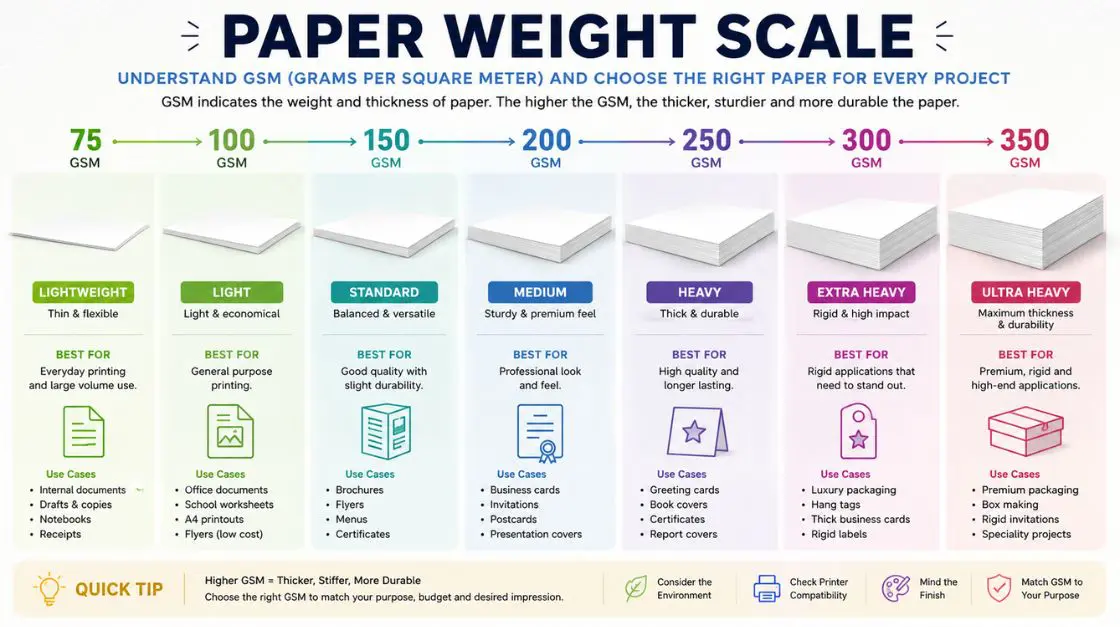
GSM vs. LB: What the Numbers Actually Mean
Paper weight is measured in two common systems:
- GSM (grams per square meter): the international standard and the most reliable way to compare papers regardless of size.
- LB (pounds): the U.S. system, based on the weight of 500 sheets at a manufacturer’s base size, which varies depending on paper type.
This is why a “32 lb” bond paper and a “32 lb” cardstock aren’t the same thickness. GSM avoids that confusion, which is why print shops increasingly use it as the standard reference for paper weight in general.
Why Thicker Paper Holds Ink Better
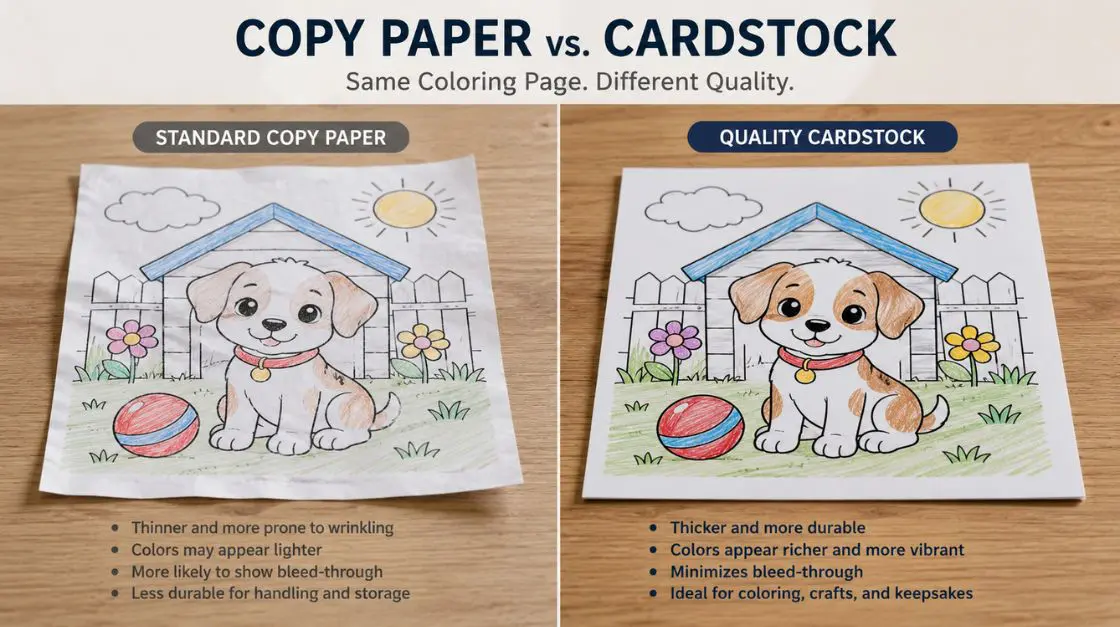
Heavier paper has more fiber density, so it can absorb pigment without letting it soak all the way through to the other side. Thin paper has fewer fibers to trap ink, so alcohol- and water-based markers push straight through — a phenomenon called “ghosting” or bleed-through. This is exactly why nailing the best paper weight for coloring book pages matters before you commit to a bulk print run.
What Teachers, Designers & Framers Look For
Educators prioritize cost-efficiency over premium stock, since kids’ tools don’t require heavy paper. Framers look for weight that resists warping behind glass. Professional colorists who use alcohol markers almost always reach for dedicated marker paper or cardstock, because standard printer paper can’t handle the ink volume.
Types & Categories: Matching Paper Weight to Your Project
Best Paper Weight for Coloring Pages (Pencils & Light Markers)
If you mostly use colored pencils, gel pens, or fine-tip markers, 24–28 lb (90–105 gsm) is usually enough. Figuring out the best paper weight for coloring pages in this category is mostly about print-run cost — this range is affordable in bulk and light enough for most home printers.
Coloring Pages for Alcohol Markers & Heavy Blending
Alcohol markers (like Copic or Ohuhu) release a lot of solvent, which soaks straight through anything under 32 lb. For these, look for 65 lb cardstock or dedicated marker paper. Our mandala coloring pages printable collection prints beautifully on heavier stock.
What Paper Weight Is Best for Printable Wall Art?
Wall art has different priorities than coloring pages — it needs to look crisp behind glass, resist yellowing, and hold its shape over years. When people ask what paper weight is best for printable wall art, the answer is 32 lb (120 gsm) matte paper as a floor, with premium fine-art paper in the 200–300 gsm range for a gallery-quality finish. Browse our full Printable Wall Art PDF collection and check the printable wall art sizes guide to plan your frame before you print.
What Paper Weight Is Best for Foldable Greeting Cards?
Cards need to fold cleanly without cracking at the crease, feel substantial in hand, and hold up in the mail. If you’re wondering what paper weight is best for foldable greeting cards, aim for 65–110 lb cardstock (176–300 gsm) — light enough to fold crisply, heavy enough to feel premium. Explore our Printable Cards collection, all formatted for A4 and US Letter home printing.
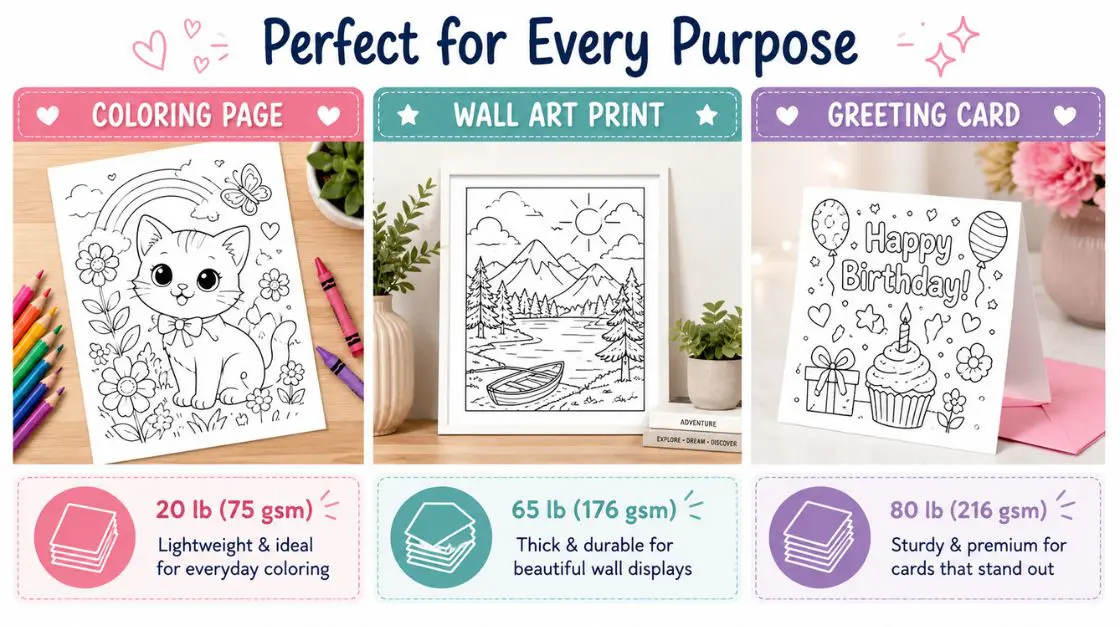
Full Comparison Table: Paper Weight by Project Type
| Project Type | Recommended Weight (lb) | Recommended Weight (gsm) | Best For |
|---|---|---|---|
| Kids’ coloring pages | 20–24 lb | 75–90 gsm | Crayons, washable markers |
| Adult coloring pages (pencils) | 24–28 lb | 90–105 gsm | Colored pencils, gel pens |
| Adult coloring pages (alcohol markers) | 60–65 lb cardstock | 160–176 gsm | Alcohol markers, heavy blending |
| Printable wall art | 32 lb+ / fine-art paper | 120–300 gsm | Framing, long-term display |
| Foldable greeting cards | 65–110 lb cardstock | 176–300 gsm | Folding, mailing, gifting |
This table answers, in one place, the best paper weight for coloring book question, the best paper weight for coloring pages question, and what paper weight is best for foldable greeting cards or paper weight is best for printable wall art — all side by side.
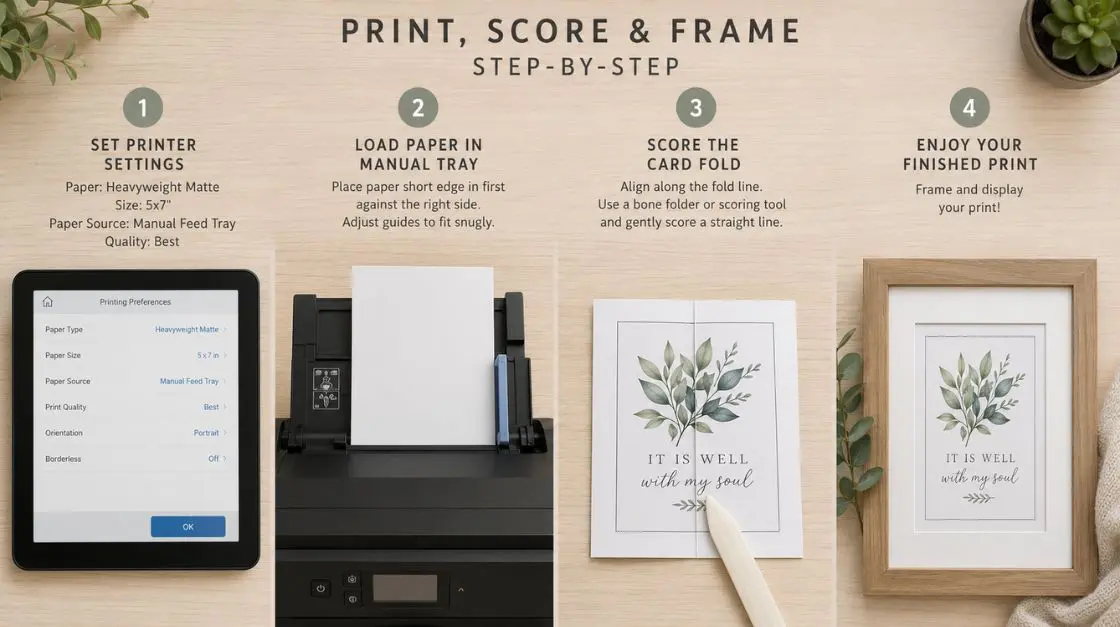
Visual Inspiration: What Great Paper Choices Look Like in Practice
Picture a botanical coloring page, printed on soft matte 28 lb stock, filled in with layered colored pencils — the shading is smooth, the paper doesn’t pill, and every petal holds rich, saturated color. Now picture that same design printed on flimsy copy paper: the pencil skips, colors look patchy, and the page curls at the corners within a day.
The difference is entirely in the stock. Warm, earthy palettes on textured cardstock feel cozy and tactile; cool, minimalist mandalas on bright white matte paper feel crisp and modern. If you’re exploring different moods, our botanical coloring pages collection and aesthetic coloring pages for adults guide both show how style and paper weight work together.
For wall art, a sun-drenched living room gallery wall looks entirely different on thin printer paper (which glares and warps behind glass) versus a heavier matte finish, which absorbs light softly and stays flat for years. Personalize your space using the printable wall art sizes guide to pick the right dimensions for your chosen weight. This is where choosing the best paper weight for coloring books and wall art alike really pays off visually — the finished piece simply looks and feels more intentional.
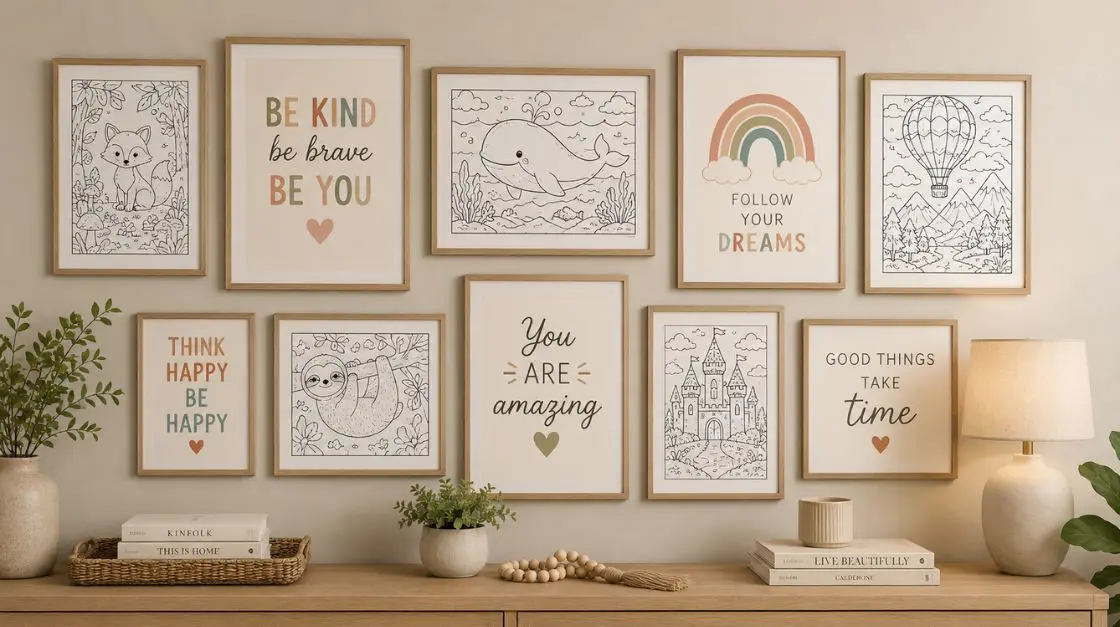
Step-by-Step Guide: How to Choose and Print on the Right Paper
1. Identify your primary tool. Alcohol markers demand heavier stock than colored pencils. See our colored pencils vs markers comparison.
2. Match weight to project type. Use the comparison table above — the more layering, blending, or wetness involved, the heavier your paper should be. This step alone resolves most questions about the best paper weight for coloring book pages.
3. Check your printer’s capacity. Most inkjet and laser printers max out around 32–65 lb before jamming becomes a risk.
4. Choose the right finish. Matte finishes hold pigment better and reduce glare; avoid glossy finishes for anything you plan to color.
5. Print a test page first. Color a small section with your usual tools to confirm there’s no bleed-through. Our guide on how to print coloring pages at home walks through settings and troubleshooting.
6. Store extra paper properly. Heavier cardstock is sensitive to humidity — store unused sheets flat, sealed, and away from direct sunlight.
Featured Products & Resources
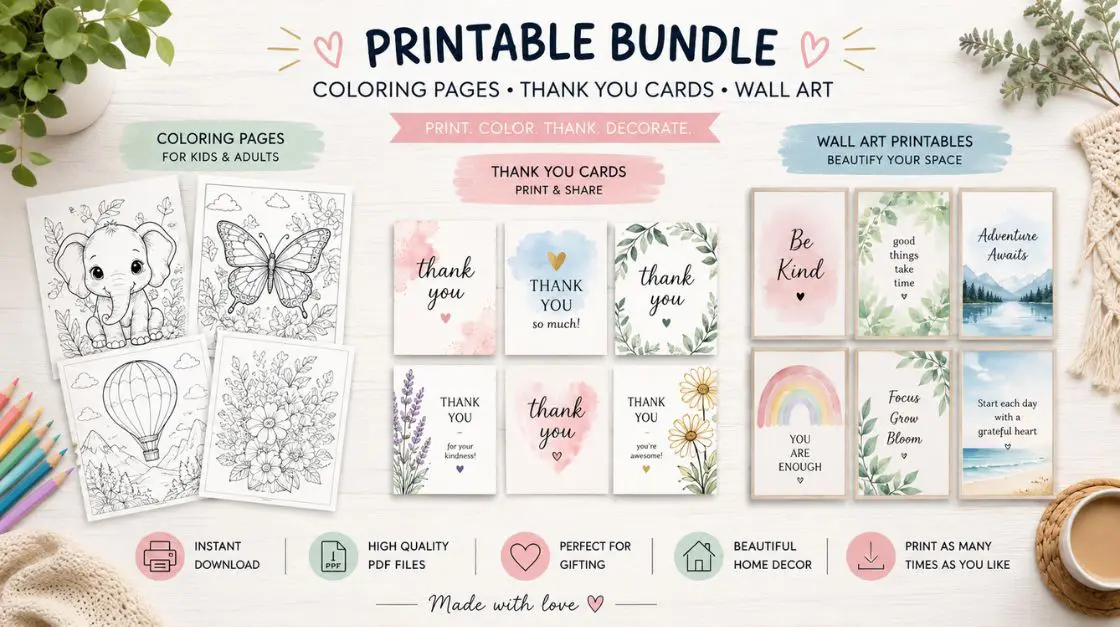
- 1000+ Printable Coloring Pages — formatted for clean printing on 24–32 lb paper, the best paper weight for coloring pages in this collection.
- Printable Coloring Book PDF (35+ Pages) — ideal for printing on heavier cardstock for a bound finish.
- Printable Wall Art PDF — built for the paper weight that’s best for printable wall art: 32 lb+ matte or fine-art stock.
- Printable Cards Collection — foldable 5×7 designs formatted for the cardstock weight that’s best for foldable greeting cards.
- Mandala Coloring Pages Printable — intricate designs that reward heavier stock.
FAQ: Best Paper Weight for Coloring Books
What is the best paper weight for coloring book pages? Generally 24–32 lb (90–120 gsm) for colored pencils and light markers, and 60–65 lb cardstock (160–176 gsm) for alcohol markers or heavy blending.
What is the best GSM paper for alcohol markers? Look for 160–250 gsm (roughly 60–140 lb cardstock) — this range reliably prevents bleed-through with alcohol-based ink.
What is the best paper weight for coloring pages if I only use crayons? Standard 20–24 lb (75–90 gsm) paper works fine, since crayons don’t bleed the way liquid ink does.
Is 32 lb paper good for coloring pages? Yes — 32 lb (120 gsm) sits right in the sweet spot for most adult coloring pages and is one of the most common answers to the best paper weight for coloring book question.
What’s the difference between GSM and LB for coloring paper weight? GSM (grams per square meter) is consistent across paper types and brands, while LB varies by base size — so GSM is the more reliable number for comparing paper weight across brands.
What paper weight is best for printable wall art? 32 lb (120 gsm) or heavier, ideally a matte or lightly textured fine-art paper in the 200–300 gsm range.
What paper weight is best for foldable greeting cards? 65–110 lb cardstock (176–300 gsm) — it folds cleanly at the crease without cracking and feels sturdy in hand.
Can I use regular printer paper for coloring pages? Yes, especially for light pencil work, but standard 20 lb copy paper tends to feel thin and bleed through with markers.
Does coloring paper weight really matter for beginners? Yes. Many new colorists blame themselves for streaky results when the real culprit is paper that’s too light for their tools.
How do I know I’ve picked the best paper weight for coloring book projects at home? Color a small section, flip the page over, and check for bleed-through. If the back stays clean and the paper doesn’t buckle, you’ve found the right weight.
Related Materials
- How to Print Coloring Pages at Home
- High Resolution Files Guide
- Best Coloring Tools for Adults
- Printable Wall Art Sizes: The Complete Guide
- What Does Instant Download Mean?
Final Thoughts
Great coloring sessions, gallery-worthy wall art, and cards people actually want to keep all come down to one quiet decision: coloring paper weight. Once you understand the best paper weight for coloring book projects, wall art, and cards, every print you make holds its color and shape far longer. Whether you’re chasing the best paper weight for coloring pages, figuring out what paper weight is best for foldable greeting cards, or settling on what paper weight is best for printable wall art, the answer always starts with your tool and your printer’s limits.
👉 Ready to start? Browse our Premium Digital Printables Store for coloring pages, wall art, and cards — all formatted and ready to print on the paper weight that’s right for you.