Seasonal Color Palette: Your Ultimate Free Picker Guide
Mindful Practice: Breathe & Color Your Way to Calm
Free Color Personality Quiz — What Does Your Color Say?
Free Color Palette Generator for Coloring Pages | Try Now
What You’ll Find Inside the Hub
Our Free Creative Resources – Ultimate Coloring & Tools Hub is organized into four core resource categories, each designed for a specific kind of creator.
1. Color Palettes for Every Mood and Purpose
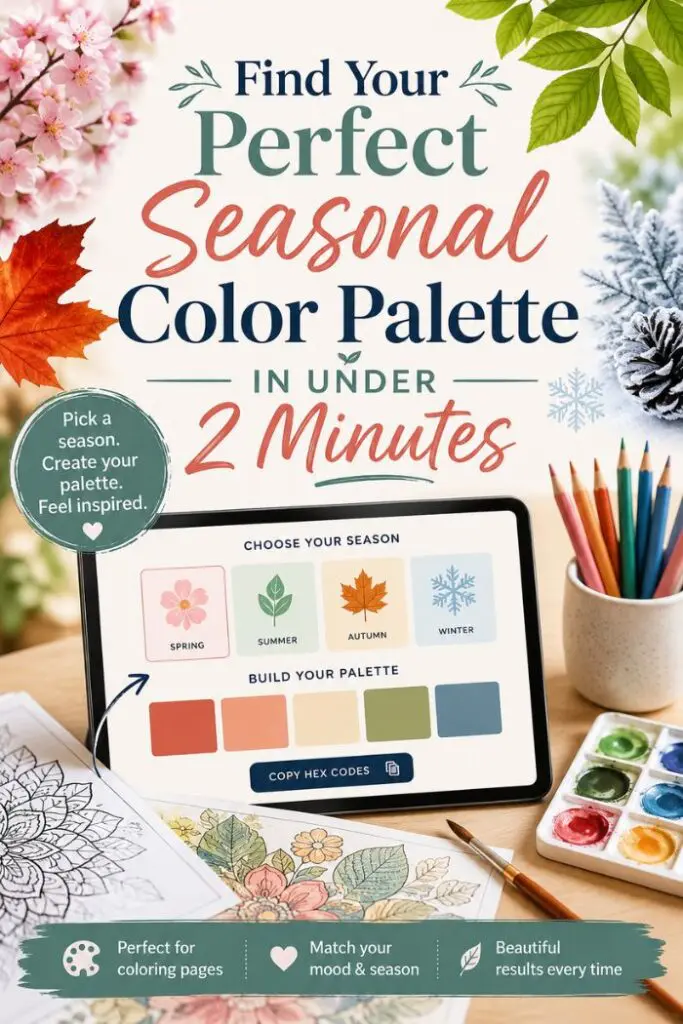
Color theory is a skill, and our curated color palettes make it accessible to everyone — not just designers. You’ll find palette sets organized by mood, season, industry, and aesthetic style. Each palette is presented with the clarity you need to actually use it: hex codes, complementary pairings, and context suggestions.
For small business owners, these color palettes are particularly valuable. Consistent brand colors communicate professionalism and build trust — and having a visual reference makes it easier to apply those colors across packaging, social content, and product design. For teachers, themed palettes offer a structured starting point for art projects that align with curriculum topics or seasonal themes.
2. Interactive Tools That Make Color Decisions Easy
Static charts and printed guides only go so far. Our interactive tools let you experience color decisions in real time — mixing, comparing, and experimenting without committing anything to paper or screen permanently.
These interactive tools are especially powerful for adults who learn best by doing. Instead of reading about color theory, you apply it. You drag sliders, test combinations, and immediately see how hues respond to each other. It’s the kind of hands-on engagement that makes creative skills stick.
3. Coloring Quizzes That Reveal Your Creative Style
One of the most popular resources in the hub? The coloring quizzes. These aren’t trivial personality tests — they’re thoughtfully designed diagnostic tools that help you understand your natural color instincts.
Do you gravitate toward bold, high-contrast combinations? Or do you prefer muted, analogous harmonies? Are you drawn to cool tones or warm ones? The answers shape the kind of color experiences you’ll find most satisfying, and the coloring quizzes help surface those preferences clearly.
For teachers, quizzes are also a fantastic classroom tool — they get students thinking about color preference in an age-appropriate, engaging way. For business owners, understanding your instinctive palette tendencies can inform brand color decisions that feel genuinely authentic rather than forced.
4. Creative Coloring Tools for Real-World Application
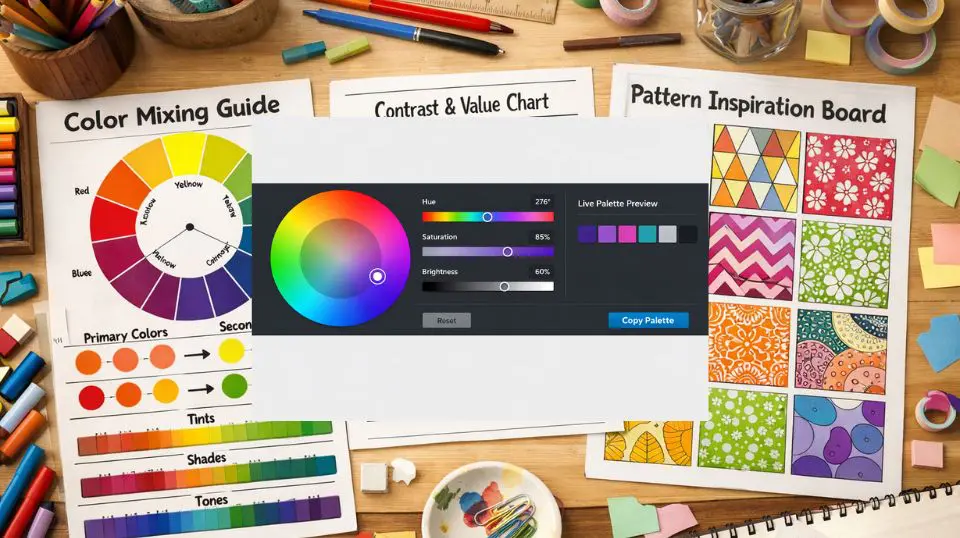
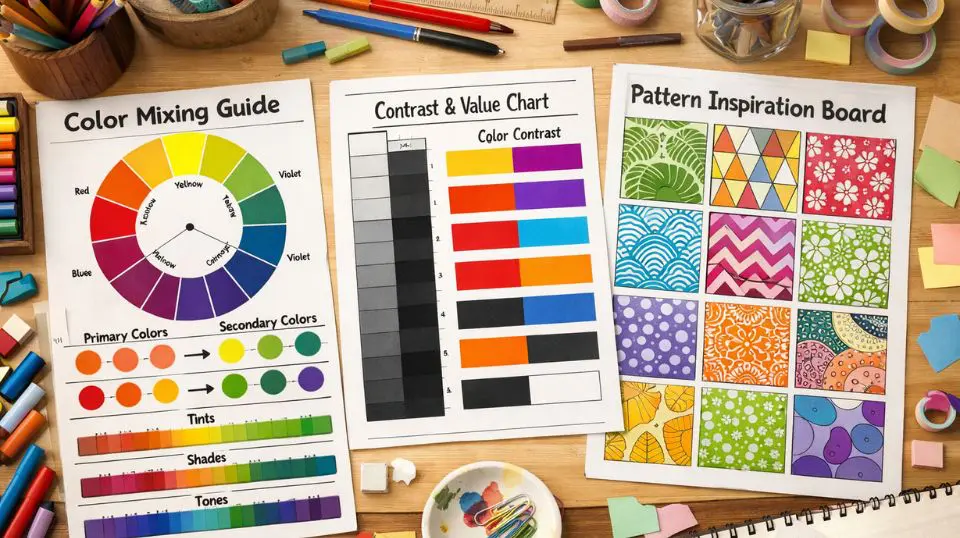
Beyond palettes and quizzes, the hub includes a range of creative coloring tools designed for practical use. Think mixing guides, contrast checkers, pattern inspiration boards, and color psychology references. These resources bridge the gap between aesthetic exploration and purposeful application.
Whether you’re preparing a classroom lesson plan, developing a mood board for a client, or simply choosing the right combination for your next coloring session, these tools are built to serve real creative needs.
Who These Resources Are Built For
Adults who color for relaxation or self-expression will find that having structured tools available removes the creative friction that often interrupts the flow of a session. Instead of pausing to wonder whether two colors “work together,” you can consult a palette reference, trust your coloring quiz results, and keep creating.
Teachers and educators gain ready-made, classroom-tested tools that engage students visually and intellectually. Color palettes support art, design, and even science lessons (think: how color perception works, the electromagnetic spectrum, or nature-based color matching activities).
Small business owners and creative entrepreneurs benefit from the practical side of color confidence — building cohesive visual identities, understanding what color psychology communicates to customers, and presenting their work with intentionality.
How to Get the Most From the Hub
Start with the coloring quizzes to orient yourself. Understanding your color instincts is the foundation on which everything else builds. Then explore the color palettes that align with your results — this is where creative coloring tools move from theory to personal expression.
From there, use the interactive tools to test your palette choices in real applications. If you’re preparing for a project, whether that’s a classroom art day, a product photoshoot, or a personal coloring session, spend a few minutes exploring combinations before committing.
Visit our Free Creative Resources – Ultimate Coloring & Tools Hub and bookmark it. It’s the kind of resource that becomes more valuable the more you use it.

FAQs
Q1: What kinds of creative coloring tools are available for adults who are new to color theory?
A: The hub includes beginner-friendly color palettes, visual mixing guides, and interactive tools that let you explore color relationships without needing any formal design background. Everything is designed to feel approachable and immediately usable, even if you’ve never studied color theory before.
Q2: How can coloring quizzes help me choose better color palettes for my projects?
A: Coloring quizzes are structured to reveal your natural color preferences — whether you tend toward warm or cool tones, bold or muted combinations, and more. Once you understand your instincts, selecting color palettes that feel cohesive and genuinely “you” becomes much easier and faster.
Q3: Can teachers use these interactive tools for classroom coloring activities?
A: Absolutely. The interactive tools and color palettes inside the hub are excellent for classroom use — they spark visual thinking, support art and design lessons, and give students a structured framework for making color decisions rather than guessing. Many educators use the coloring quizzes as a fun, low-pressure group activity.
Q4: How do creative coloring tools support small business owners building a brand?
A: For business owners, creative coloring tools provide the language and structure needed to make consistent, strategic color decisions. From selecting a brand palette to understanding what emotional responses different hues trigger in customers, these tools translate color intuition into a business-ready application.
Q5: Are the color palettes in the hub suitable for both digital and physical coloring projects?
A: Yes. The color palettes are designed to be versatile — each one includes reference values and visual swatches that translate well across digital screens, print materials, and physical media such as colored pencils, markers, and paint. Whether your project lives online or on paper, the palettes provide a consistent, reliable reference.
Q6: What makes interactive tools more effective than a printed color chart?
A: A printed chart shows you colors in isolation, but interactive tools let you see how colors behave together in real time. You can test combinations, adjust saturation and brightness, and observe contrast relationships dynamically. This hands-on engagement builds genuine color intuition far more effectively than passive reference materials.