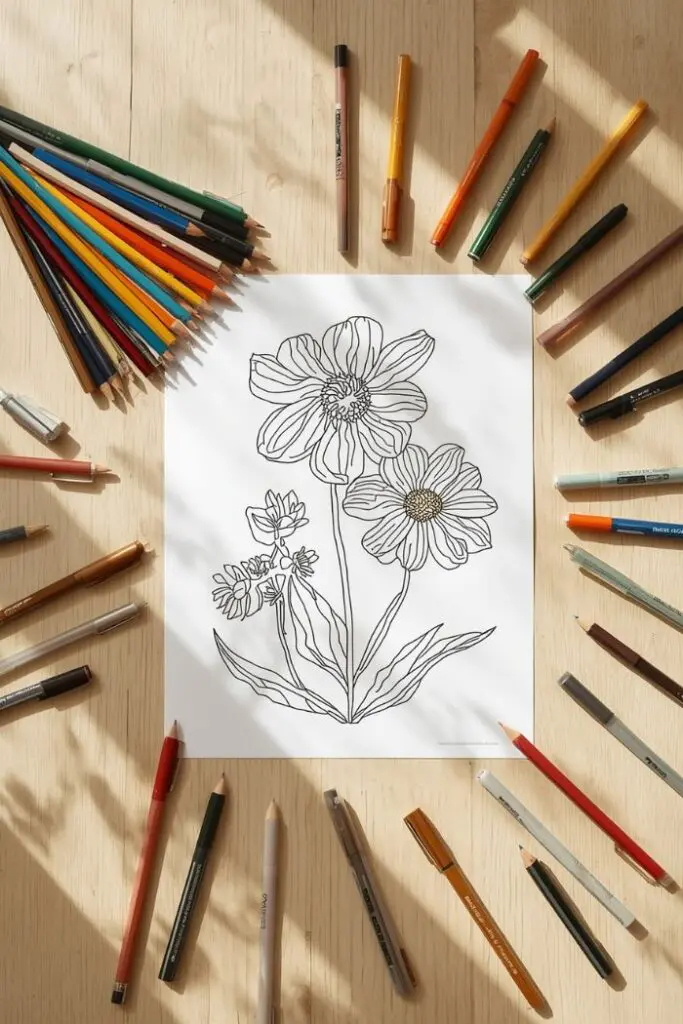
Colored Pencils vs Markers: The Ultimate Tool Guide
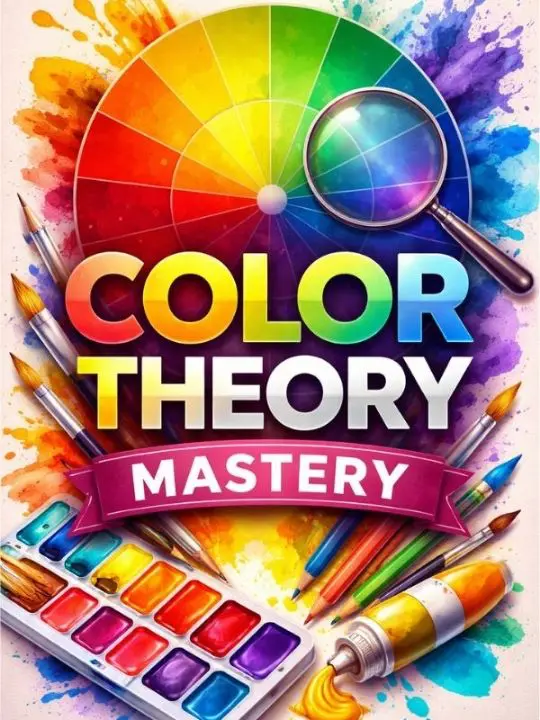
Interactive Color Theory Tutorial — Step-by-Step Guide to Color Harmony
FAQs: free coloring tutorials
Q1: Are there free coloring tutorials available for beginners who have never colored before?
A: Yes — there are plenty of free coloring tutorials designed specifically for complete beginners. Most start with the basics: how to hold your pencils, how to apply light pressure for smooth base layers, and how to gradually build up color without muddying your page. Many creators publish step-by-step guides on YouTube, Pinterest, and dedicated coloring blogs that walk you through everything from choosing your first set of colored pencils to finishing a full page with confidence. The best free tutorials focus on one skill at a time, so you’re never overwhelmed. If you’re just getting started, look for beginner guides that cover shading, blending, and color selection before diving into more complex subjects, such as coloring mandalas or detailed botanical scenes.
Q2: What are the most important coloring techniques every adult colorist should learn first?
A: The foundational coloring techniques that make the biggest difference are layering, burnishing, and directional shading. Layering means building color slowly with multiple light passes rather than pressing hard in one go — this gives you far more control over tone and texture. Burnishing involves pressing a light or colorless blender pencil firmly over your layers to create a rich, polished finish. Directional shading means following the natural curves and contours of your design so that your strokes enhance the shape rather than flatten it. Once you’ve mastered these three core colored pencil coloring techniques, everything else — gradients, blending complementary colors, adding highlights — becomes much easier to pick up through practice and free coloring tutorials.
Q3: How do I color mandalas without the result looking flat or messy?
A: Learning how to color mandalas well comes down to planning before you pick up a single pencil. Start by choosing a limited palette of three to five colors that work harmoniously together — warm and cool tones placed side by side create natural contrast and depth. Then apply your colors in a consistent repeating pattern, moving from the center outward so each ring complements the last. Use light pressure for your first layer, and gradually deepen the tone near the edges and in shadow areas. Many free mandala coloring tutorials recommend using a color chart or swatch sheet first so you can preview your palette before committing to the page. The key to avoiding a flat result is variation — never use the same pressure or color consistently across the whole design.
Q4: Where can I find reliable step-by-step guides for colored pencil coloring techniques?
A: Reliable step-by-step guides for colored pencil coloring techniques can be found across several platforms. YouTube channels dedicated to adult coloring often publish detailed walkthroughs showing exactly how each layer is applied, how colors are blended, and how highlights are lifted or preserved. Pinterest is useful for visual technique breakdowns, and many coloring artists maintain blogs where they publish free coloring tutorials alongside printable reference sheets. When evaluating a guide, look for ones that show the page at multiple stages — not just the finished result — so you can understand the process rather than just admire the outcome. EG Creativity Art also offers a free Color Theory Workbook that covers foundational colored pencil coloring techniques in a structured, beginner-friendly format.
Q5: Can free coloring tutorials really help me improve, or do I need to pay for a course?
A: Free coloring tutorials are genuinely effective for the vast majority of colorists, especially at the beginner and intermediate level. The skills that make the biggest impact — understanding pressure control, learning how to layer colored pencils, and discovering which coloring techniques work for different paper types — are all taught extensively for free across YouTube, blogs, and dedicated coloring communities. Paid courses tend to add value at the advanced level, where you’re looking for highly structured feedback, live critique, or deep dives into specialized topics like realistic portraiture or mixed-media finishing. For most people who enjoy coloring as a mindful hobby, a strong library of free coloring tutorials, combined with consistent practice, is more than enough to see real, satisfying improvement in a short time.
Q6: What colored pencil coloring techniques work best for beginners working on detailed designs?
A: For beginners tackling detailed designs, the most effective colored pencil coloring techniques are small circular strokes, light layering, and working from light to dark. Small circular strokes fill intricate areas more evenly than long straight lines and reduce the risk of harsh streaks. Starting with your lightest color and building toward your darkest gives you the ability to correct mistakes early — it’s much harder to lighten a page than to deepen it. For very fine detail areas, sharpen your pencil frequently and use the very tip with minimal pressure. Step-by-step guides that focus on detailed designs — like florals, geometric patterns, or how to color mandalas with small repeating sections — will usually show these techniques in action, making them much easier to replicate on your own pages.
Q7: How long does it typically take to finish a coloring page using proper techniques?
A: The time it takes to complete a coloring page depends heavily on the design complexity, the coloring techniques you’re using, and how many layers you apply. A simple, open design colored with light layers might take thirty to sixty minutes. A detailed mandala or intricate botanical scene, colored with proper layering, blending, and shading techniques, can easily take three to six hours across multiple sessions. Step-by-step guides often include estimated time ranges, which is helpful for planning your creative sessions. Many colorists actually prefer to spread a single page over several evenings — it turns coloring into a slow, meditative ritual rather than a task to finish. Free coloring tutorials that emphasize process over speed tend to produce better long-term results and a more enjoyable experience overall.
Q8: Do coloring techniques differ between markers, colored pencils, and watercolor pencils?
A: Yes — the core coloring techniques shift quite significantly between different media. Colored pencil coloring techniques rely on pressure, layering, and burnishing to build depth on paper. Markers, particularly alcohol-based ones, require you to work quickly and blend while the ink is still wet, moving from light to dark and using a colorless blender to soften edges. Watercolor pencils are applied dry first, then activated with a damp brush to create a soft, painterly wash — they reward a looser, more spontaneous approach than structured pencil layering. When following step-by-step guides or free coloring tutorials, always check which medium the guide is designed for before starting, since technique tips that work beautifully for colored pencils can produce muddy or uneven results when applied to markers or watercolor pencils.
Looking for more than just tutorials? Our Free Creative Resources Hub brings together all our coloring tools, references, and learning materials under one roof.