
Understanding Color Theory Basics
Supporting guide for mindful coloring, seasonal creativity, and confident color choices
🎨 Not sure where to start? Here are our most loved products.
Introduction: Why Color Theory Matters More Than You Think
Whether you color for relaxation, creativity, or artistic growth, understanding color theory is one of the most powerful skills you can develop. Color choices influence mood, storytelling, harmony, and even how finished artwork feels to the viewer. Yet many artists—especially those working with coloring pages—intuitively choose colors without knowing why certain combinations work better than others.
This guide to color theory basics is written primarily for mindful artists and colorists. You don’t need a fine arts degree or years of training. If you’re new, this is a clear, practical introduction to color theory. If you already color regularly, these basic color theory principles will help you level up your results.
Along the way, you’ll learn how to use the color wheel basics, apply harmony and contrast, avoid muddy colors, and make confident decisions—especially for seasonal and holiday-themed coloring projects.
Before you dive in, make sure you’re working with the right supplies. Our guide to the best coloring tools for adults breaks down everything from pencils to markers so you can start with confidence.
What Is Color Theory?
At its core, color theory is a framework for understanding how colors relate to each other. It explains how colors interact, how they can be combined harmoniously, and how they affect emotions and perception.
When you’re understanding color theory, you’re learning:
Why certain color combinations feel balanced
Why others feel loud or uncomfortable
How to guide the eye through an image
How to create a mood intentionally
Color theory isn’t about rules that limit creativity. It’s about giving you tools so your creativity feels supported rather than uncertain.
The Color Wheel Basics (Your Most Important Tool)
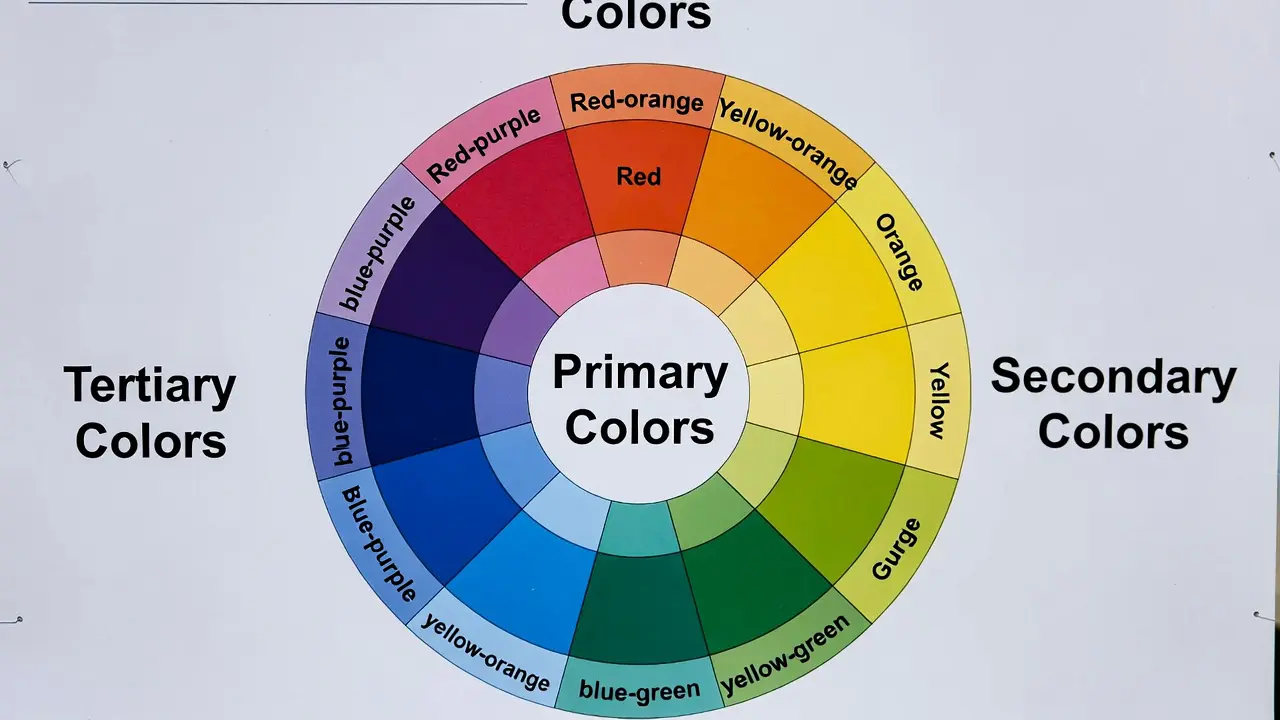
The color wheel is the foundation of all basic color theory principles. Every color relationship you’ll ever use starts here.
Primary Colors
Primary colors cannot be created by mixing other colors:
Red
Blue
Yellow
These are the building blocks of all other colors.
Secondary Colors
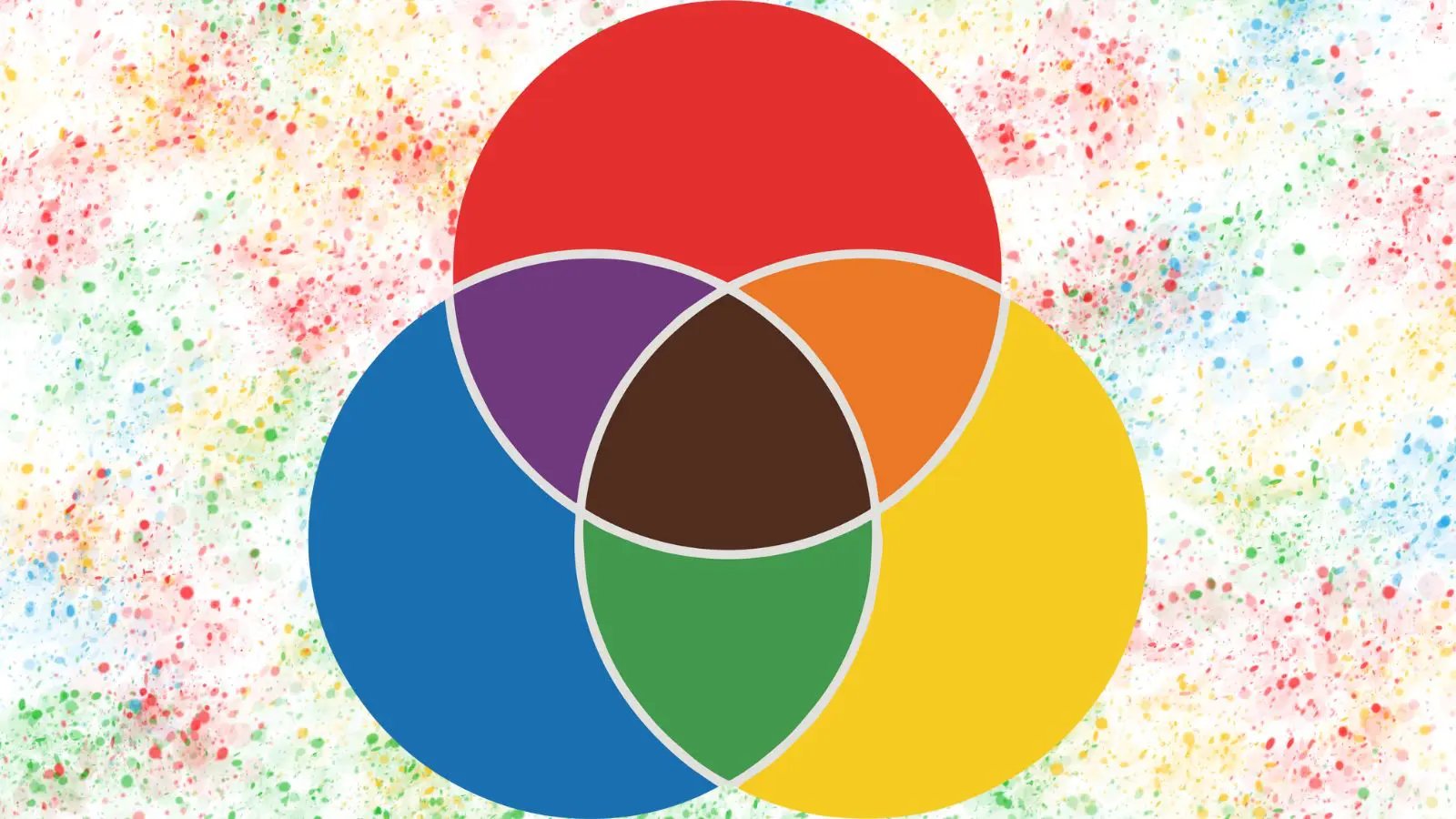
Secondary colors are made by mixing two primary colors:
Red + Blue = Purple
Blue + Yellow = Green
Red + Yellow = Orange
Tertiary Colors
Tertiary colors are created by mixing a primary color with a neighboring secondary color, such as red-orange or blue-green.
Understanding this structure alone instantly improves your coloring confidence.
Warm Colors vs Cool Colors
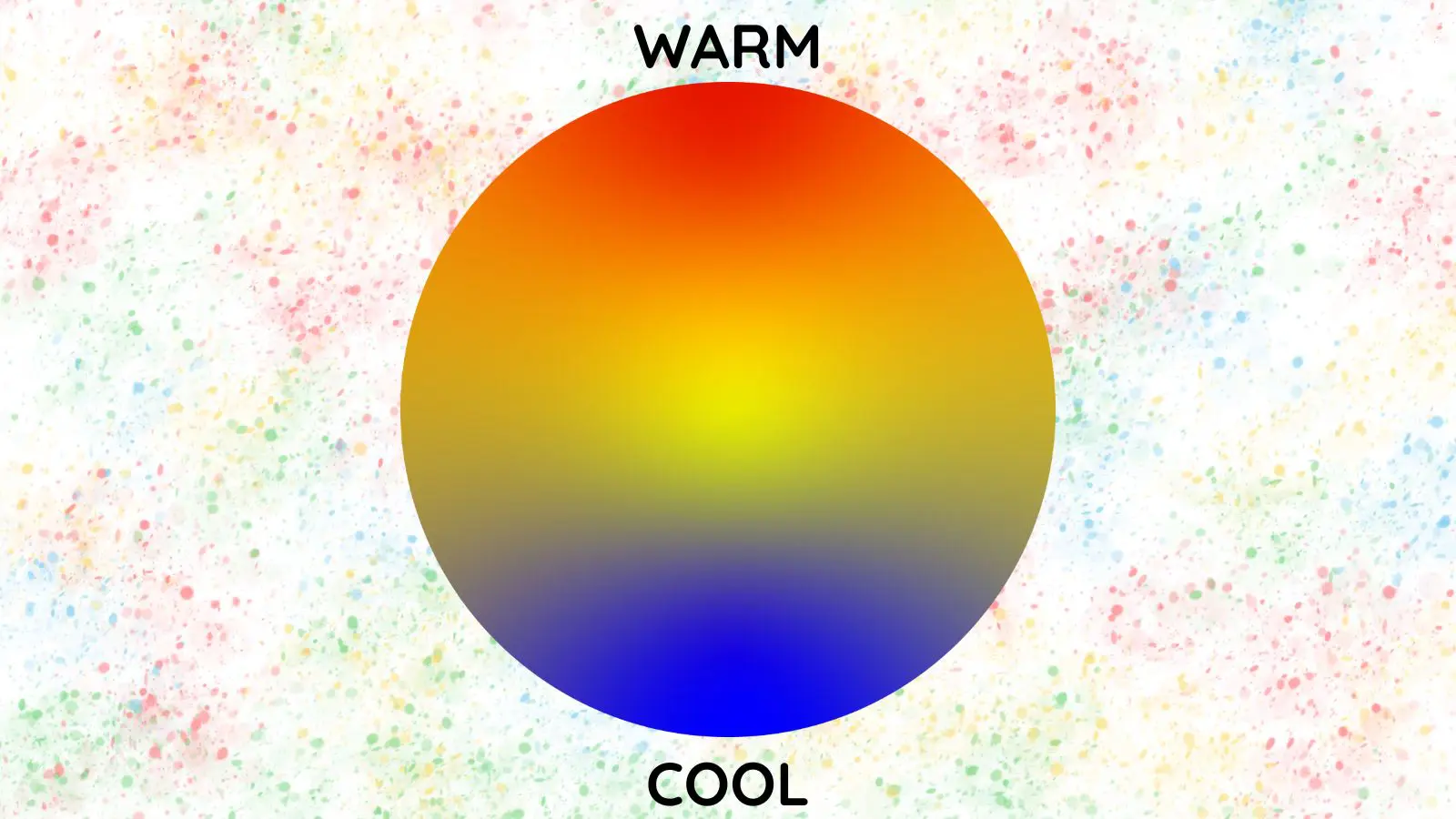
One of the most practical lessons in color theory for beginners is learning temperature.
Warm Colors
Red
Orange
Yellow
Warm colors feel energetic, joyful, cozy, and festive.
Cool Colors
Blue
Green
Purple
Cool colors feel calm, peaceful, refreshing, or mysterious.
This concept becomes especially useful when working on seasonal projects. For example, warm palettes dominate autumn and holiday themes, while cool palettes shine in winter or calming mandala designs.
👉 Go deeper into harmony, contrast, and the psychology of color
Color Harmony: Making Colors Work Together
Color harmony refers to combinations that feel visually pleasing. These relationships come directly from the color wheel basics.
Try the combinations you’re reading about right now
Complementary Colors
Opposite each other on the color wheel (e.g., blue and orange). They create strong contrast and energy.
Analogous Colors
Next to each other on the wheel (e.g., blue, blue-green, green). These feel calm and cohesive.
Triadic Colors
Three evenly spaced colors on the wheel. These feel vibrant but balanced.
If you want to practice these combinations practically, blending is key. Pair this guide with How to Blend Colors Like a Pro for smoother transitions.
Value, Saturation, and Contrast (The Secret Sauce)
Beyond hue (the color itself), basic color theory principles include:
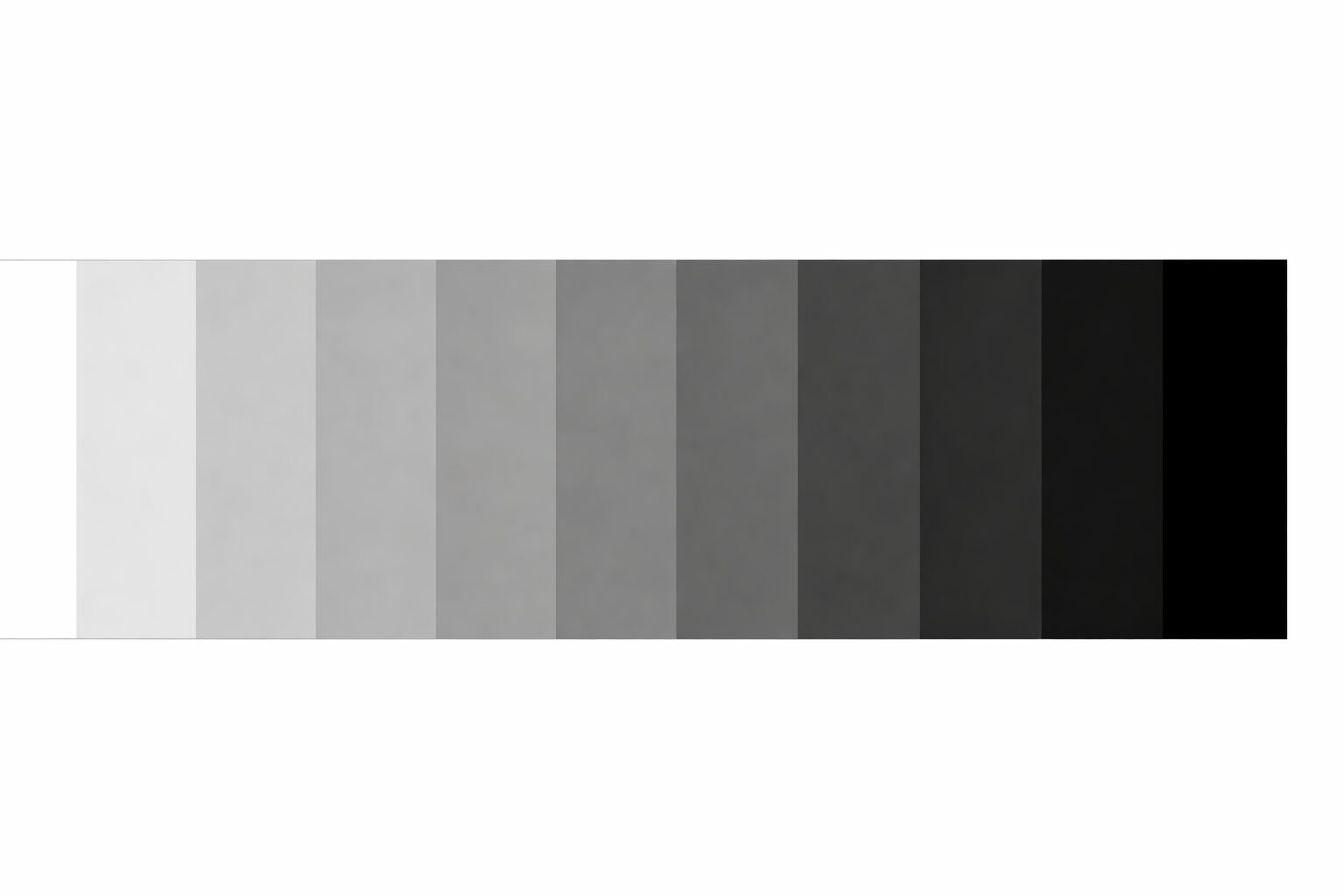
Value
How light or dark a color is. High contrast between light and dark creates depth.
Saturation
How intense or muted a color feels. Muted colors are often more relaxing for mindful coloring.
Contrast
Contrast directs attention and creates focus.
This is where shading becomes powerful. For deeper realism and dimension, explore Shading & Texture Techniques for Beautiful Results.
Recommended for This Topic
35 Bold and Easy Coloring Pages – Stress Relief Made Simple

56 Mandala Coloring Pages – Unwind and Find Your Calm
Applying Color Theory to Coloring Pages
Understanding theory is helpful—but applying it is where transformation happens.
Mandalas
Analogous or cool palettes encourage calm and focus. For intricate designs, read Mandala Coloring Techniques: Tips for Intricate Designs.
Floral Pages
Use complementary colors sparingly to make blooms pop without overwhelming the page.
Landscapes
Layer warm and cool tones to create depth and distance.
To get the best results, your tools matter too. Pair theory with the right supplies using our Materials Guide: Best Tools for Coloring.
Recommended Coloring Products to Practice Color Theory
Learning color theory becomes easier when applied to high-quality designs:
35+ Wildflowers Coloring Pages Printable – perfect for practicing complementary and analogous palettes
50 Stunning Landscape Coloring Pages Printable – ideal for learning depth, contrast, and color temperature
50+ Printable Rose Coloring Pages – excellent for value control and subtle shading
These collections give you structured opportunities to experiment safely and creatively.
Common Beginner Color Theory Mistakes
Using too many saturated colors at once
Ignoring value differences
Overusing black for shading instead of deep hues
Mixing warm and cool tones unintentionally
Awareness alone helps you avoid these pitfalls.
How Color Theory Supports Mindful Coloring
Color choices directly influence emotional response. Calm palettes slow the mind. High contrast energizes. Intentional use of color turns coloring into a grounding ritual rather than just a visual activity.
That’s why understanding color theory isn’t just technical—it’s emotional.
Advanced Color Theory Tips for Confident Colorists
Once you feel comfortable with color theory basics, you can begin refining your approach with more advanced—but still beginner-friendly—techniques. These ideas help your coloring pages feel intentional, polished, and emotionally engaging.
Limiting Your Color Palette
One of the most effective habits when understanding color theory is working with a limited palette. Instead of using every color available, choose:
One dominant color
One supporting color
One accent color
This approach prevents visual overload and creates harmony naturally. Many professional illustrators rely on limited palettes to maintain cohesion, especially in complex designs like mandalas and landscapes.
Using Neutrals to Balance Color
Neutrals—such as beige, cream, gray, and soft browns—are often overlooked in color theory for beginners, but they play a crucial role. Neutrals give the eye a place to rest and allow brighter colors to shine without competing for attention.
Try pairing bold seasonal hues with neutral backgrounds in holiday or celebration-themed coloring pages for a more refined result.
Color Theory and Emotional Storytelling
Colors tell stories. Warm, saturated palettes feel joyful and celebratory, while cool, desaturated palettes feel reflective and calm. When applying basic color theory principles, think about the emotional tone you want before you start coloring.
For example:
Spring themes benefit from fresh greens and soft pastels
Autumn designs feel richer with warm reds, oranges, and browns.
Winter pages often shine with cool blues, silvers, and muted contrasts
This mindset aligns beautifully with seasonal projects explored in our Seasonal Celebrations & Holiday Coloring Traditions Guide.
Practicing Color Theory Without Pressure
One of the best ways to learn is through repetition without perfectionism. Use practice pages, small sections, or duplicated designs to test combinations. Color theory improves through experimentation, not memorization.
FAQ: Understanding Color Theory Basics
Q1: What are the color theory basics?
A: Color theory basics explain how colors relate to one another and how they visually interact. It includes understanding the color wheel (primary, secondary, and tertiary colors), color relationships (complementary, analogous, triadic), and core principles like contrast, value (light vs. dark), saturation (intensity), and color temperature (warm vs. cool). Together, these basics help artists create balanced, harmonious, and visually pleasing color combinations, rather than relying on guesswork.
Q2: Is color theory for beginners hard to learn?
A: Not at all. Color theory for beginners is very approachable when learned step by step. Starting with simple concepts like the color wheel and basic color harmonies makes the process feel manageable. As you practice with small palettes and repeat combinations, your confidence grows naturally. You don’t need to memorize rules—understand patterns and experiment.
Q3: How do I use color theory in coloring books?
A: You can use color theory in coloring books by choosing a limited color palette before you start, balancing warm and cool tones, and planning where light and dark values will go. For example, use darker shades for depth and lighter shades for highlights. Color theory also helps you decide which areas should stand out and which should stay softer, making the final page feel cohesive rather than chaotic.
Q4: Why does my coloring sometimes look messy?
A: Coloring often looks messy when colors are too similar in value or when many highly saturated colors compete for attention. Without enough contrast, shapes blend. Using basic color theory—such as varying light and dark tones, limiting bold colors, and adding neutral shades—helps create visual order, clarity, and a more polished result.
Q5: Do I need expensive tools to apply color theory?
A: No. You can practice and apply color theory with any pencils, markers, or crayons you already own. Color theory is about how you choose and combine colors, not how much your tools cost. Even a small, basic set can produce beautiful results when you focus on value, harmony, and balance.
Q6: What is the easiest color harmony for beginners?
A: Analogous color schemes are usually the easiest for beginners. These colors sit next to each other on the color wheel (like blue, blue-green, and green), so they naturally blend well and feel cohesive. Analogous palettes are forgiving, calming, and ideal for coloring pages focused on relaxation and flow.
Q7: How many colors should I use on one coloring page?
A: Most beginners get the best results using three to five primary colors, plus one or two neutrals if needed. Limiting your palette prevents overwhelm and helps maintain harmony across the page. You can still add interest by using lighter and darker versions of the same colors rather than adding more hues.
Q8: Can color theory help reduce stress while coloring?
A: Yes. Understanding color theory can make coloring more relaxing by removing uncertainty and decision fatigue. When you know which colors work well together, you feel more confident and less pressured to “fix mistakes.” Choosing calming palettes—such as cool blues, soft greens, or gentle analogous schemes—can also enhance mindfulness and help create a soothing, stress-relieving coloring experience.
Color theory basics explained clearly without being overly technical. This foundation has improved all my coloring.
Understanding the color wheel has made choosing palettes so much easier. Wish I’d learned this years ago.
These pages tick every box: good design, printable quality, varied subject matter, and genuinely calming to work on.