
The Hidden Power of Coloring Therapy: Benefits for Mind, Body, and Soul
Discover why millions of adults are picking up colored pencils — and how this simple practice can transform your mental health, focus, and inner calm.
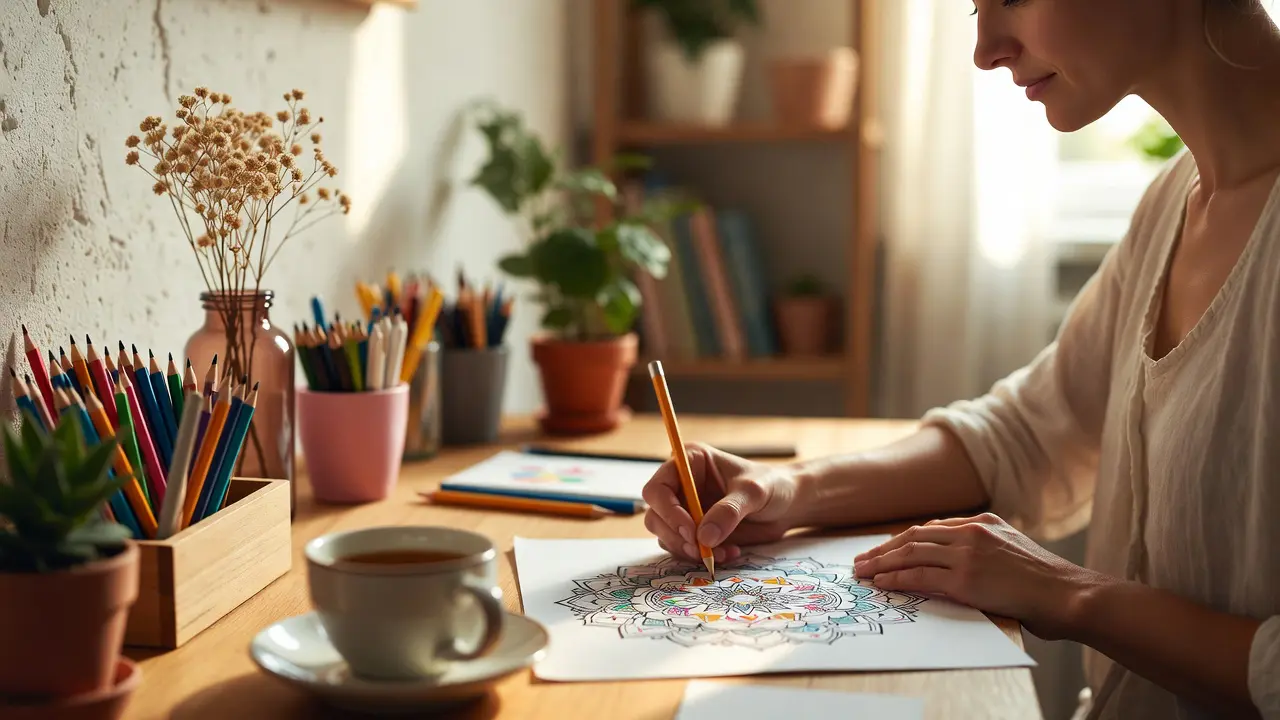 Somewhere between childhood nostalgia and modern neuroscience lies one of the most underrated wellness tools of our time: coloring therapy. What was once dismissed as a pastime for kids has emerged as a legitimate, research-backed approach to stress relief, mindfulness, and emotional regulation. Whether you’re battling anxiety, burnout, or simply the relentless noise of daily life, the benefits of coloring therapy may surprise you.
This guide explores everything you need to know — from the science behind why it works, to how to get started today.
What Is Coloring Therapy?
Coloring therapy, sometimes called art therapy coloring or therapeutic coloring, is the intentional use of coloring as a meditative and stress-reducing practice. Unlike formal art therapy (which is conducted by a licensed therapist), coloring therapy is something anyone can practice independently, at home, at any time.
The concept gained explosive mainstream attention around 2015 when adult coloring books flooded the market. But the therapeutic roots go much deeper — Carl Jung, the Swiss psychiatrist, used mandala coloring with his patients in the early 20th century to encourage self-reflection and psychological integration.
Today, the practice is supported by a growing body of psychological and neuroscientific research, making it far more than a trend.
The Science Behind Coloring Therapy Benefits
Understanding why coloring works requires a brief look at what happens in your brain when you sit down with a page and a set of pencils.
When you color, your brain enters a state similar to meditation. The prefrontal cortex — the area responsible for logic, planning, and problem-solving — becomes gently engaged, while the amygdala, your brain’s fear and stress center, quiets down. This neurological shift is precisely why coloring feels so calming: it occupies just enough of your conscious mind to crowd out anxious thoughts, without demanding the kind of intense focus that causes mental fatigue.
Research published in Art Therapy: Journal of the American Art Therapy Association found that participants who colored mandalas experienced significantly reduced anxiety compared to those who colored freely or didn’t color at all. The structured, symmetrical nature of mandala designs appears to be especially effective at inducing calm.
Mayo Clinic Health System — “Coloring Is Good for Your Health.” Coloring calms the brain and helps the body relax, which can improve sleep and reduce fatigue, while lowering heart rate, respiration, and feelings of depression and anxiety. Mayo Clinic Health System 🔗 https://www.mayoclinichealthsystem.org/hometown-health/speaking-of-health/coloring-is-good-for-your-health
Additionally, coloring activates both hemispheres of the brain simultaneously. The left hemisphere handles the structure and logic of staying within lines; the right hemisphere engages creativity and color choice. This bilateral engagement promotes whole-brain coordination — a state associated with improved focus, mood, and cognitive flexibility.
Top Coloring Therapy Benefits
1. Stress and Anxiety Relief
This is the most widely recognized benefit of coloring therapy, and for good reason. The repetitive, rhythmic motion of coloring has a direct effect on the nervous system, shifting the body from a sympathetic (fight-or-flight) state into a parasympathetic (rest-and-digest) state. Heart rate slows, breathing deepens, and cortisol — the primary stress hormone — begins to drop.
For people who struggle with anxiety, coloring provides a structured entry point into relaxation that doesn’t require mental effort or prior experience. Unlike meditation, which many anxious individuals find frustrating at first, coloring gives the mind something tangible to do while still achieving a meditative effect.
2. Improved Focus and Mindfulness
Coloring is an exercise in presence. To stay within the lines, choose complementary colors, and maintain the flow of a pattern, you must be here — in this moment, on this page. That is the very definition of mindfulness.
Regular coloring practice trains the mind to return to the present moment, which is a skill that carries over into daily life. People who color consistently often report improved concentration at work, greater patience in relationships, and a reduced tendency to ruminate.
3. Better Sleep Quality
One of the most practical coloring therapy benefits is its effect on sleep. The blue light emitted by screens — phones, tablets, laptops — suppresses melatonin production and disrupts sleep cycles. Coloring, by contrast, is a screen-free activity that naturally winds the mind down.
Replacing even 20–30 minutes of pre-bedtime screen time with coloring can measurably improve sleep onset (how quickly you fall asleep) and sleep quality. The calm focus state induced by coloring signals to the brain that it’s time to transition toward rest.
4. Emotional Processing and Release
Color itself carries emotional weight. The choices we make — warm reds and oranges versus cool blues and greens — often reflect our internal emotional state. Coloring gives people a non-verbal channel to express and process emotions that may be difficult to articulate in words.
This is particularly valuable for individuals who have experienced trauma, grief, or emotional overwhelm. The act of bringing color to a blank page can feel like an act of agency and creation during times when life feels chaotic or out of control.
5. Reduced Symptoms of Depression
While coloring is not a substitute for professional treatment, research suggests it can be a meaningful complement to therapy for people dealing with depression. The combination of focused attention, creative engagement, and the satisfaction of completing a page stimulates the release of dopamine — the brain’s reward neurotransmitter.
Finishing a coloring page, no matter how simple, provides a genuine sense of accomplishment. For people with depression, who often struggle with motivation and a sense of futility, this small but real victory can be a meaningful mood booster.
6. Motor Skill Development and Fine Motor Maintenance
Coloring requires controlled, precise hand movements. For children, this builds essential fine motor skills. For older adults, regular coloring practice can help maintain hand-eye coordination and dexterity, which tend to decline with age.
Occupational therapists frequently incorporate coloring into rehabilitation programs for patients recovering from strokes, injuries, or neurological conditions, precisely because it engages fine motor pathways in an accessible, enjoyable way.
7. Cognitive Stimulation and Brain Health
Planning a color scheme, deciding where one hue ends and another begins, and visualizing how a finished piece will look — all of these are cognitively demanding activities that stimulate neural pathways associated with planning, spatial reasoning, and creativity.
Some researchers have proposed that regular engagement in creative activities, such as coloring, may contribute to cognitive reserve — the brain’s resilience against age-related decline. While more research is needed, the evidence points toward coloring being genuinely good for long-term brain health.
Cleveland Clinic — “3 Reasons Adult Coloring Can Actually Relax Your Brain” A study on college students showed a decrease in anxiety levels and suggested that coloring creates a meditative state beneficial for reducing anxiety. Cleveland Clinic The article also notes that art therapy has helped people coping with depression, anxiety, addictions, and trauma. 🔗 https://health.clevelandclinic.org/3-reasons-adult-coloring-can-actually-relax-brain
Mandala Coloring: A Special Case
Among all coloring formats, mandalas hold a particularly powerful place in coloring therapy. The word mandala comes from Sanskrit, meaning “circle,” and these intricate, symmetrical designs have been used across Buddhist, Hindu, and indigenous traditions as tools for meditation and spiritual focus for thousands of years.
From a therapeutic standpoint, mandalas work exceptionally well because their circular, balanced structure mirrors the psychological concept of wholeness. Jung believed that drawing and coloring mandalas allowed individuals to access and integrate their unconscious mind, to find their center in moments of psychological chaos.
Modern research supports this intuition. The structured complexity of mandala patterns provides the optimal level of cognitive engagement: enough to quiet the inner critic and anxious mind, but not so much that it becomes stressful.
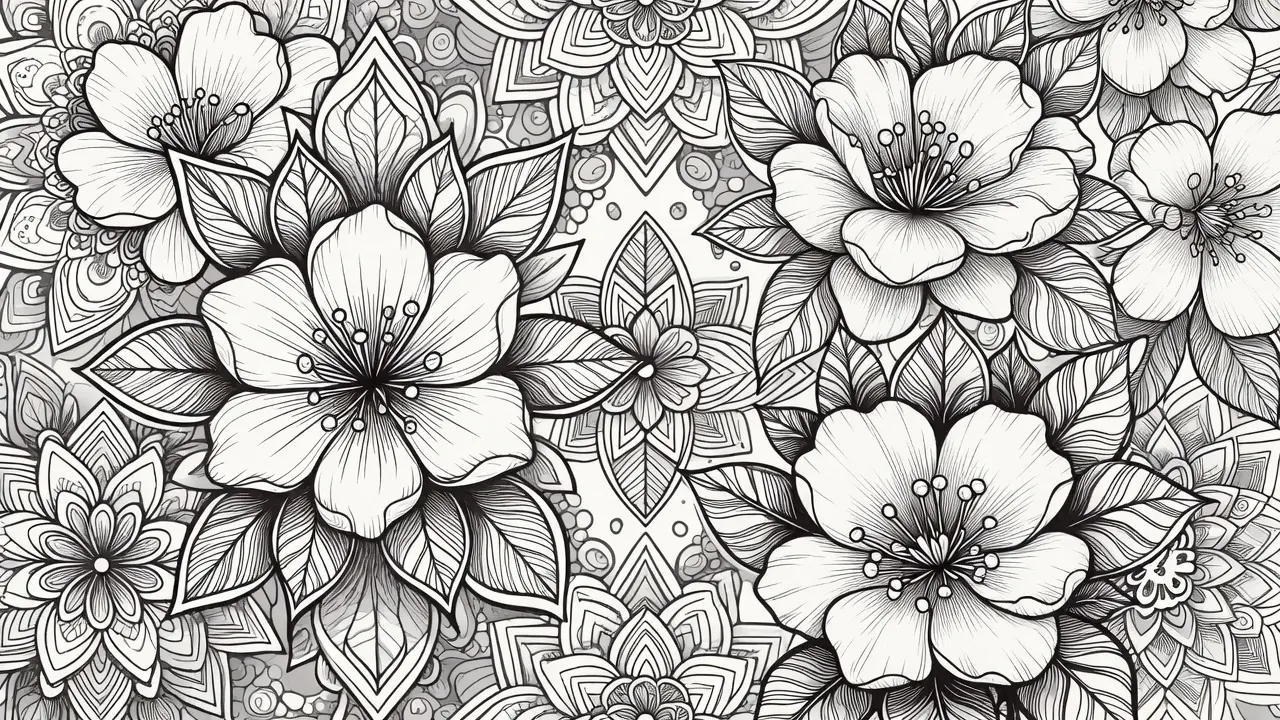
If you’re new to coloring therapy, starting with mandalas is highly recommended. You can explore and download free mandala coloring pages here — a wonderful resource for beginners and experienced colorists alike.
Mandala Coloring Reduces Anxiety in Care Settings — Frontiers in Psychology (2024) A 2024 pilot study published in Frontiers in Psychology examined the effectiveness of mandala coloring on anxiety in three different ambulatory medical settings — general consultation, psychiatric day hospital, and hemodialysis. Frontiers Results reinforced the value of art activities across multiple medical disciplines. Frontiers 🔗 https://www.frontiersin.org/journals/psychology/articles/10.3389/fpsyg.2024.1336202/full 🔗 https://pmc.ncbi.nlm.nih.gov/articles/PMC10914959/
Recommended for This Topic

Stress Relief Coloring Bundle – 400+ Designs to Unwind
How to Start a Coloring Therapy Practice
Getting started doesn’t require any special skills, training, or expensive supplies. Here’s a simple framework:
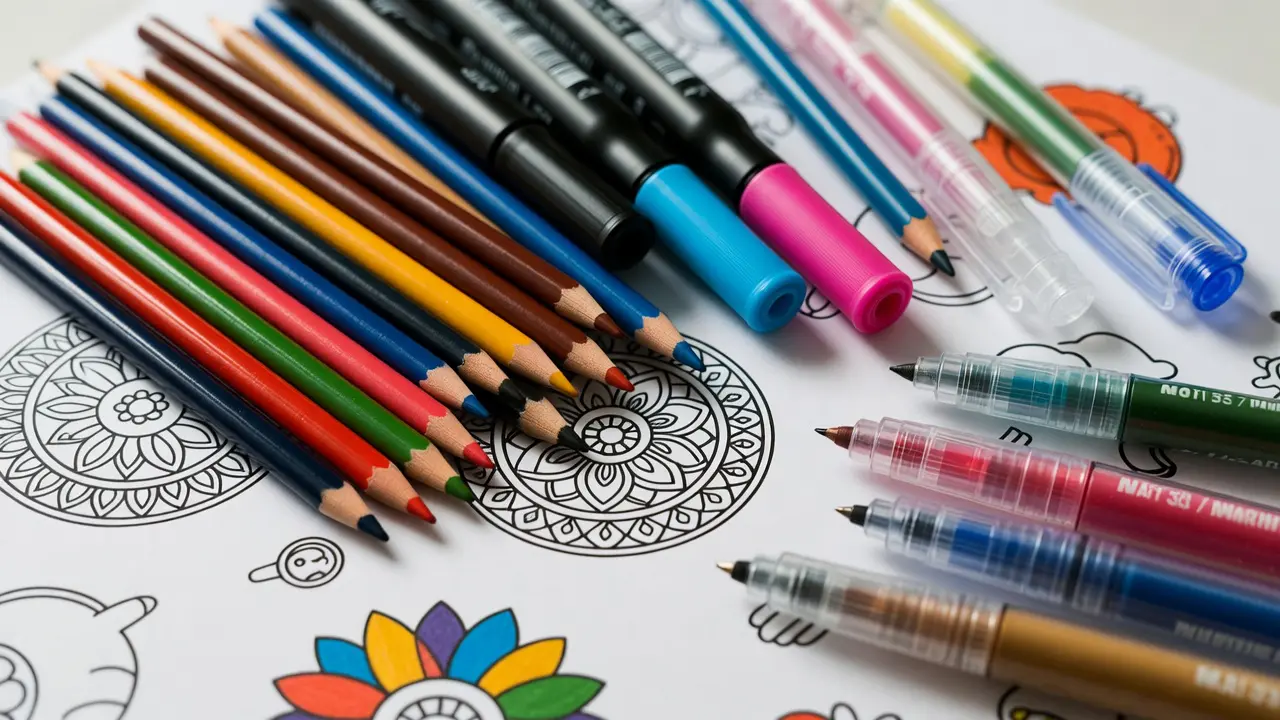
Choose your tools. Colored pencils are the most forgiving and precise for detailed work. Markers offer bold saturation. Watercolor pencils allow for blending effects. Start with whatever appeals to you — there’s no wrong choice.
Select your pages intentionally. The design you choose affects your experience. Highly intricate designs are more immersive and meditative; simpler designs are better for days when you need quick calm. Browse adult coloring pages to find designs that match your mood and skill level.
Create a ritual. The power of coloring therapy grows when it becomes a consistent practice. Choose a time of day — perhaps morning with coffee, or evenings before bed — and treat it as protected time. Even 15 minutes daily yields measurable benefits over weeks.
Let go of perfectionism. Coloring therapy is not about producing beautiful art. It’s about the process, not the product. Color outside the lines. Choose unconventional colors. The only goal is presence.
Pair it with other calming inputs. Many people find coloring even more effective when combined with calming music, nature sounds, or gentle instrumental playlists. Experiment and find what helps you drop in most deeply.
 Who Can Benefit from Coloring Therapy?
 Who Can Benefit from Coloring Therapy?
The short answer: almost everyone. But certain groups tend to find it especially transformative:
- Adults with anxiety disorders who need accessible, non-pharmaceutical tools for daily management
- Caregivers and healthcare workers experiencing compassion fatigue or burnout
- Individuals recovering from trauma who benefit from non-verbal processing
- Older adults seeking cognitive stimulation and fine motor maintenance
- Children and teens who need emotional regulation tools
- Anyone experiencing a major life transition — grief, divorce, job loss, relocation
The accessibility of coloring therapy is one of its greatest strengths. It requires no prior artistic ability, no therapist appointment, no gym membership, and no special environment. A page, some color, and a few quiet minutes are enough.
Common Mistakes to Avoid
Treating it like a task. If you approach coloring with a “I need to finish this page” mindset, you undermine its therapeutic value. The journey is the point.
Choosing designs that are too complex too soon. Overwhelming yourself with intricate patterns when you’re already stressed can increase frustration. Start simpler and work your way up.
Coloring in front of screens. Having the TV on or checking your phone interrupts the mindful state that makes coloring therapeutic. Try to create a distraction-free environment.
Expecting immediate results. Like any wellness practice, the benefits of coloring therapy accumulate over time. One session is relaxing; thirty sessions are transformative.
🎨 Not sure where to start?
Here are our most loved products.
Frequently Asked Questions
🎨 Not sure where to start? Here are our most loved products.
Q1: What are the main coloring therapy benefits for adults?
A: The primary benefits include significant stress and anxiety reduction, improved mindfulness and present-moment awareness, better sleep quality, emotional processing, mood elevation through dopamine stimulation, and cognitive engagement that supports long-term brain health. Adults specifically benefit because coloring provides an accessible, screen-free alternative to the constant digital stimulation that characterizes modern life.
Q2: Do I need artistic talent to benefit from coloring therapy?
A: Not at all. Coloring therapy is entirely process-based, meaning the act of coloring — not the quality of the result — is what generates the benefits. Many people find that releasing the expectation of “good art” is itself a therapeutic practice. Anyone who can hold a pencil can benefit.
Q3: How long should a coloring therapy session be?
A: Research suggests that even short sessions of 15–20 minutes can produce measurable reductions in anxiety. For deeper relaxation and mindfulness benefits, sessions of 30–45 minutes are ideal. Consistency matters more than duration — daily 15-minute sessions outperform occasional hour-long ones.
Q4: Are mandala coloring pages better than other designs for therapy?
A: Studies suggest mandalas are particularly effective due to their circular, symmetrical structure, which induces calm and supports the psychological sense of wholeness and balance. However, any design you personally find engaging and relaxing will be therapeutic. The best page is the one you actually want to color. Start exploring with free printable mandala coloring pages to discover your preference.
Q5: Can coloring therapy replace professional mental health treatment?
A: No. Coloring therapy is a valuable complementary tool, but it is not a substitute for professional care when dealing with clinical depression, anxiety disorders, trauma, or other mental health conditions. Think of it the way you’d think of exercise or meditation: genuinely beneficial for wellbeing, but not a replacement for therapy or medication when those are needed.
Q6: What supplies do I need to start coloring therapy?
A: The minimum is a printed coloring page and any coloring medium — colored pencils, markers, crayons, or even basic pens. Colored pencils are most commonly recommended for their precision and blendability. You can download and print adult coloring pages to get started immediately without any significant investment.
Q7: Can children benefit from coloring therapy, too?
A: Absolutely. For children, coloring builds fine motor skills, supports emotional expression, and teaches focus and patience. It’s also a healthy, screen-free activity that can help regulate emotions after overstimulating experiences. Many of the benefits of coloring therapy apply across all age groups.
Q8: How soon will I notice the benefits of coloring therapy?
A: Many people notice an immediate shift in their stress levels during or immediately after their first session — a sense of calm, mental quieting, and relaxed focus. Deeper benefits, such as improved sleep, reduced chronic anxiety, and better emotional regulation, tend to emerge after two to four weeks of consistent practice.
Final Thoughts
The coloring therapy benefits explored in this guide are not magic — they are the natural result of giving your nervous system what it deeply needs: focused quiet, creative engagement, and a break from the relentless demand for productivity. In a world engineered for distraction, picking up a pencil and filling a page with color is a quietly radical act of self-care.
You don’t need to be an artist. You don’t need an hour of free time. You don’t need anything more than a printed page and the willingness to be present.
Start simple. Start today. Whether you reach for a sweeping geometric mandala or a richly detailed adult coloring page, the practice will meet you exactly where you are — and gently carry you somewhere calmer.
What a refreshing take on accessible creativity for stress relief.
Coloring has become my go-to activity when I need to decompress.
This perfectly explains why I lose track of time while coloring.
The link between pattern work and relaxation is beautifully described.
The botanical series is my personal favorite. As a gardener, I find the accuracy of the plant illustrations particularly satisfying.