 How to Color Valentine Coloring Pages: Beginner Tips for a Perfect Valentine
Coloring is a fun, relaxing way to express creativity, and Valentine-themed coloring pages are especially delightful for spreading love and joy. Whether you’re a complete beginner or just looking for tips to make your coloring pages shine, learning how to color Valentine coloring pages can turn a simple activity into a beautiful, memorable creation.
In this guide, we’ll cover step-by-step beginner tips, from choosing the right coloring page to picking tools, creating palettes, adding shading, and using your finished pages creatively.
 Why You Should Learn How to Color Valentine Coloring Pages

 Why You Should Learn How to Color Valentine Coloring Pages
Valentine coloring pages are ideal for beginners because they typically feature:
Bold, clear outlines
Simple shapes like hearts, flowers, and cupids
Familiar, fun designs
Flexible color options
Coloring these pages isn’t about perfection—it’s about relaxation, creativity, and enjoying the process. Plus, printable Valentine coloring pages can be used to make cards, gifts, or decorations, adding extra joy to your work.
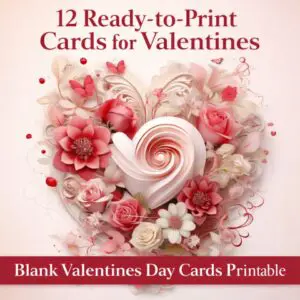
Once you’ve mastered your coloring technique, take it a step further with our 12 Valentine Cards – Screen-Free Love Crafting Made Easy — pre-designed cards ready for your personal coloring touch.
Step 1: Pick the Right Valentine Coloring Page
 Step 1: Pick the Right Valentine Coloring Page
The first step in learning how to color Valentine coloring pages is choosing a page that fits your skill level.
Beginner-Friendly Features
Large, open shapes
Simple outlines without too many tiny details
Repeating patterns like hearts or flowers
Minimal background clutter
 Tip: Printable Valentine coloring pages are perfect because you can print multiple copies and experiment without worry.
Step 2: Choose the Best Coloring Tools
 Step 2: Choose the Best
 Your coloring tools make a big difference in how your pages turn out. You don’t need fancy supplies to get beautiful results.
Recommended Tools for Beginners
Colored Pencils
 Colored Pencils
Easy to control
Great for layering and blending
Perfect for shading
Markers
 Markers
Vibrant colors that pop
Ideal for bold designs
Use thicker paper to avoid bleed-through
Crayons
 Crayons
Fun and forgiving
Perfect for large areas
Great for kids
Tip: Try starting with colored pencils, as they’re versatile for beginners learning how to color Valentine coloring pages.
Step 3: Choose a Simple Valentine Color Palette
 Step 3: Choose a Simple Valentine Color Palette
Many beginners make the mistake of using too many colors. A limited palette keeps your page looking harmonious.
Easy Valentine Color Combinations
- Red + Pink + White
- Pink + Peach + Soft Gray
- Red + Burgundy + Gold
- Pink + Lavender + Cream
- Coral + Mint + White
 Red + Burgundy + Gold
 Coral + Mint + White
Stick to 3–5 colors to create balance, and repeat them throughout your page.
Step 4: Color Light to Dark
A simple beginner tip when coloring Valentine coloring pages is to shade from light to dark.
Benefits of Light-to-Dark Coloring
Easier to fix mistakes
Creates depth naturally
Prevents muddiness
Start with light pressure and gentle strokes, then gradually layer darker tones for shadows or accents.
Step 5: Use Easy Shading Techniques
 Step 5: Use Easy Shading Techniques
Shading adds dimension and interest—but you don’t need advanced skills.
Simple Shading Tips
Single-direction shading: Darker on one side, lighter on the other
Layering: Apply multiple layers of the same color for depth
Blending: Use light and heavy pressure for highlights and shadows
Even subtle shading can make hearts, flowers, and cupids appear three-dimensional.
Step 6: Color Each Element Separately
 Step 6: Color Each Element Separately
Focus on one element at a time to maintain consistency and prevent overwhelm.
For example:
Color all hearts first
Then flowers
Then, the small decorative elements
Finish with background and text.
This method helps beginners color Valentine coloring pages in a structured, stress-free way.
Step 7: Make Text Pop
Many Valentine coloring pages include words such as “Love,” “Be Mine,” and “Happy Valentine’s Day.”
Easy Ways to Color Text
Use a single solid color.
Outline letters with a darker shade.
Fill letters with gradient colors (light pink to red)
Add tiny heart accents inside letters.
Avoid dark backgrounds behind text so your words remain readable.
Step 8: Keep Backgrounds Simple
 Step 8: Keep Backgrounds Simple
Backgrounds can enhance your page—or make it feel cluttered.
Beginner-Friendly Background Ideas
Light pastel washes
Tiny scattered hearts or stars
Simple stripes or dots
Recommended for This Topic
Leaving the background white (minimalist look)

Pro Tip: Less is more—let your main design stand out.
Step 9: Relax and Enjoy the Process
 Step 9: Relax and Enjoy the Process
The key to learning how to color Valentine coloring pages is enjoying the process. Coloring isn’t a race or a test of skill—it’s a chance to relax and express yourself.
Mindset Tips for Beginners
Take breaks if needed.
Avoid comparing your work to others.
Remember: practice improves results.
Focus on joy, not perfection.
Even simple coloring can feel like a mini creative escape.
Step 10: Use Your Finished Pages Creatively
 Step 10: Use Your Finished Pages Creatively
Once your Valentine coloring page is complete, don’t just leave it in your coloring book!
Creative Uses
Make handmade Valentine cards.
Frame pages as seasonal decor
Gift pages to friends or family
Scan and share digitally.
Create wall art for February celebrations.
Many printable Valentine coloring pages are designed to be foldable or cut into cards—perfect for beginner crafters.
Step 11: Experiment with Mixed Coloring Techniques
Once you feel comfortable with basic coloring, try combining tools for richer, more dynamic results. Learning to color printable Valentine coloring pages using a variety of techniques can help your designs stand out.
Beginner-Friendly Mixed Techniques
Colored Pencils + Markers: Use markers for bold areas and colored pencils to add shading or highlights.
Crayons + Watercolor Pencils: Lightly color with crayons, then add soft watercolor effects over certain sections.
Layering Different Pencil Types: Combine soft and hard pencils for depth in flowers or hearts.
Tip: Always test new combinations on a scrap sheet first. This lets you see how colors interact and prevents surprises on your final page.
Step 12: Add Personal Touches and Creative Details
 Step 12: Add Personal Touches and Creative Details
One of the joys of coloring Valentine coloring pages is making each page your own. Personal touches make your creations feel unique and heartfelt.
Creative Ideas for Beginners
Tiny Patterns: Add small hearts, dots, or swirls in empty spaces.
Glitter or Metallic Pens: Highlight hearts, flowers, or text for a sparkling effect.
Custom Messages: Write small notes inside hearts or along borders for personalized Valentine cards.
Borders and Frames: Draw simple frames around your main design to make it pop.
Tip: Personal details don’t need to be perfect—simple additions like tiny hearts or dots can make your page feel magical.
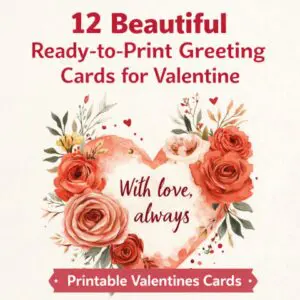
Once you’ve mastered blending warm reds and pinks, you might want something ready to gift right away — our 12 Premium Valentine Cards are designed for exactly that: no coloring required, just heartfelt elegance straight from the printer.
Common Beginner Mistakes
When learning how to color Valentine coloring pages, beginners often make these mistakes:
 Using too many colors → Stick to a limited palette Pressing too hard → Start light and build layers Rushing → Take your time and enjoy Overworking details → Simple coloring often looks better
Remember: simplicity is often the most beautiful choice.

 Valentine Coloring Tips: Kids vs Adults
Valentine Coloring Tips
Valentine Coloring Tips For Kids
Use crayons or markers.
You can focus on fun, not precision.
Encourage free color choices.
Valentine Coloring Tips For Adults
Use colored pencils
Try layering and light shading.
Experiment with soft color palettes
Valentine coloring pages are perfect for all ages, making them an ideal activity for families or solo relaxation.
Final Thoughts: Mastering How to Color Valentine Coloring Pages
Learning how to color Valentine coloring pages doesn’t require talent, fancy tools, or advanced skills. By following beginner-friendly tips—like choosing simple pages, using a limited palette, coloring light to dark, and shading gently—you can create beautiful, heartfelt designs.
Whether you’re coloring for fun, relaxation, or handmade Valentine gifts, the key is to enjoy every moment of the process. So grab your favorite coloring supplies, pick a Valentine page you love, and let your creativity shine. 
Next Steps
 Next Steps
Print multiple Valentine coloring pages to practice.
Try new color combinations and shading techniques.
Share your finished pages online or as gifts.
With patience and creativity, you’ll soon master the art of coloring Valentine coloring pages beautifully every time.
Frequently Asked Questions
Q1: What are the best Valentine coloring pages for beginners?
A: The best Valentine coloring pages for beginners feature large, simple shapes like hearts, flowers, and cupids with bold, clear outlines. Printable Valentine coloring pages are ideal because you can practice multiple times without worry and experiment with different color palettes and shading techniques.
Q2: How do I choose colors for Valentine coloring pages?
A: Start with a simple Valentine color palette using 3–5 colors, such as red, pink, and white, or pink, lavender, and cream. Using a limited palette keeps your page harmonious, while layering colors from light to dark adds depth and dimension to your designs.
Q3: Which coloring tools are best for Valentine coloring pages?
A: For beginners, colored pencils are the most versatile, allowing layering, blending, and easy shading. Markers are ideal for vibrant, bold designs, and crayons are well-suited for kids or large areas. Mixed techniques, such as combining pencils and markers, can produce rich, dynamic results.
Q4: How can I add shading to Valentine coloring pages?
A: Shading adds depth and makes your designs appear three-dimensional. Beginners can use simple techniques like layering colors, single-direction shading, and blending light to dark. Even subtle shading can make hearts, flowers, and cupids pop on your Valentine coloring page.
Q5: How do I color Valentine text and make it stand out?
A: To make Valentine text pop, use a single solid color, outline letters with a darker shade, or fill letters with gradient colors from light pink to red. Adding small heart accents inside letters or keeping backgrounds light ensures your words remain readable and visually appealing.
Q6: Can Valentine coloring pages be used for gifts and decorations?
A: Yes! Printable Valentine coloring pages are perfect for handmade cards, framed seasonal decor, or gifts for friends and family. You can also scan and share your designs digitally or create wall art for February celebrations, making your coloring both creative and functional.
Q7: How can beginners avoid mistakes when coloring Valentine pages?
A: Beginners should stick to a limited color palette, apply light pressure when layering colors, take their time, and avoid overworking details. Focus on enjoying the process rather than perfection, and experiment with simple shading techniques and mixed coloring methods to gradually improve your skills.