
2. Simple Shading Beginner Coloring Techniques for Depth and Dimension
One of the first techniques beginners should master is shading. This fundamental skill adds depth, dimension, and professional quality to your coloring, transforming flat images into artwork that seems to jump off the page.
Block Shading
Block shading is the easiest entry point for beginners. Start by coloring an area with one base shade, applying even pressure throughout. Then, identify where shadows would naturally fall and gradually add a darker shade of the same color to create depth. This technique is well-suited to colored pencils and is highly forgiving for beginners.
Gradient Blending
Blending creates smooth transitions between colors, producing stunning effects. With colored pencils, layer lighter colors first, then gradually introduce darker shades, using circular motions to blend where colors meet. For markers, work quickly while the ink is still wet to allow colors to merge naturally. This technique is particularly effective for creating realistic skies, water, or flowers.
Directional Shading
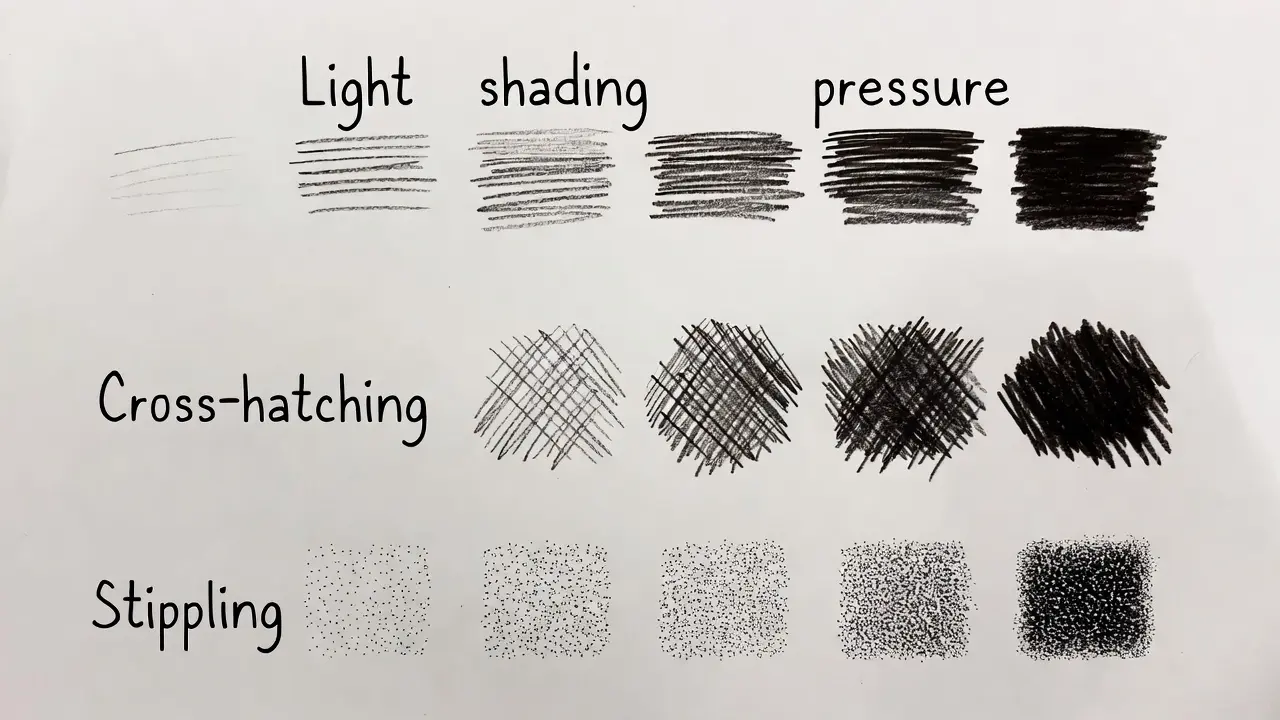
Pay attention to your stroke direction. Consistent strokes in one direction create texture and movement, while varied directions can suggest different surfaces. For example, vertical strokes may represent grass or hair, whereas circular strokes may depict flower petals or clouds.
3. Exploring Patterns and Textures for Beginner Coloring Techniques
Incorporating patterns elevates your coloring from simple to sophisticated. Beginners can experiment with various textures and designs to add visual interest and make each piece uniquely yours.
Mixing Patterns for Dynamic Effects
Don’t be afraid to combine different patterns within the same image. Try alternating between solid colors and patterned areas—perhaps coloring one section with solid blues while adding polka dots or stripes to another. This produces dynamic, visually salient images that hold the viewer’s attention.
Simple Pattern Ideas
Start with basic patterns such as stripes, checkers, or polka dots. As you gain confidence, explore more complex designs such as florals, geometric shapes, or zentangle-inspired patterns. The repetitive nature of creating patterns is particularly beneficial for stress relief, as it promotes a meditative state.
Texturing Tools and Techniques
Beyond basic coloring, various techniques can add texture. Stippling (creating patterns with dots) adds grain and interest. Cross-hatching (overlapping parallel lines) builds depth and shadow. Scumbling (small circular strokes) creates soft, cloud-like effects. Each technique offers different benefits for relaxation—some find the repetitive nature of stippling calming, while others prefer the flowing motion of scumbling.
4. Using Different Media: Finding Your Perfect Match
Experimenting with different coloring mediums is one of the most exciting parts of beginning your coloring journey. Each medium offers unique characteristics, and finding your preference is part of the fun.
Colored Pencils: The Beginner’s Best Friend
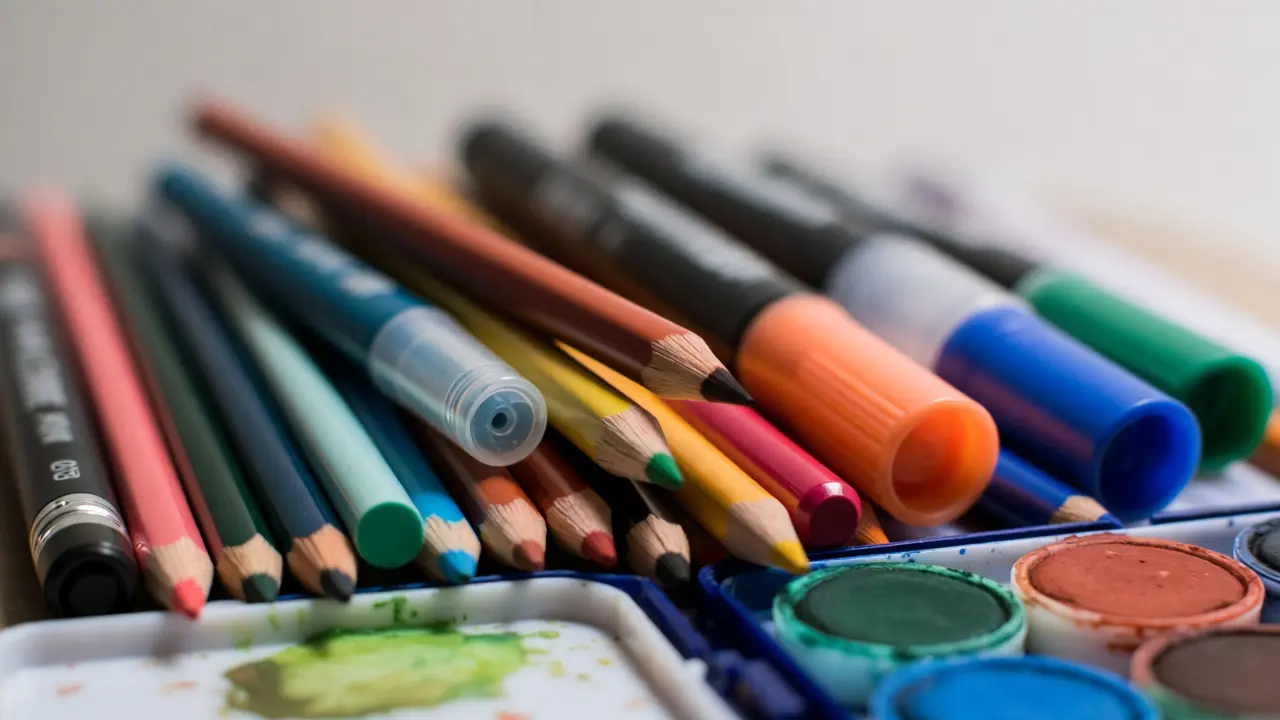
Colored pencils are arguably the best starting point for beginners. They’re easy to control, allow for precise detail work, and are incredibly forgiving—mistakes can often be layered over or incorporated into the design. Quality matters here; invest in artist-grade pencils that blend smoothly and layer well. They’re also perfect for the shading techniques mentioned earlier.
Markers: Bold and Vibrant
Markers offer rich, vibrant colors that create bold, eye-catching artwork. However, they require some practice to master. Choose alcohol-based markers for optimal blending, and always use thick paper to prevent bleeding. While markers are less forgiving than pencils, they work wonderfully for larger areas and can create stunning gradient effects when used correctly.
Gel Pens: Detail and Shimmer
Gel pens are excellent for adding fine details, highlights, and decorative elements. Metallic and glitter gel pens can transform ordinary coloring into something special, making them perfect for creating relaxing coloring pages that feel luxurious and meditative.
Watercolors: Soft and Dreamy
Watercolors create soft gradients and unique effects that are incredibly soothing to work with. While they require special watercolor paper, the flowing, unpredictable nature of watercolors can be wonderfully meditative. The medium encourages letting go of perfectionism, which is therapeutic in itself.
5. Mindfulness in Coloring: The Ultimate Stress Relief Beginner Coloring Techniques
Perhaps the most crucial beginner coloring techniques aren’t about the physical act of coloring at all—it’s about the mental approach. Coloring can be a powerful form of mindfulness meditation, offering genuine stress relief when approached intentionally.
The Practice of Present-Moment Awareness
Focus on your breathing while you color, taking slow, deep breaths that calm your nervous system. Notice the sensation of the pencil or marker in your hand, the texture of the paper beneath your fingers, and the sound of the medium against the page. When worries intrude, gently acknowledge them and return your focus to the present moment and the colors before you.
Letting Go of Perfection
There’s no “right” way to color. If you make a mistake, incorporate it into your design or accept it as part of the process. This practice of relinquishing perfectionism in coloring often translates into greater self-compassion in other areas of life.
Creating Your Ritual with Relaxing Coloring Pages
Establish a calming coloring routine. Perhaps you color for 20 minutes before bed, or dedicate Sunday mornings to this practice. Create a comfortable space with adequate lighting, consider adding soft music or aromatherapy, and make time for creative, stress-relieving work.
Taking Mindful Breaks
Don’t push through frustration. If you’re feeling stuck, take breaks, switch colors, or even doodle freely. The goal isn’t completion—it’s relaxation and enjoyment of the process itself.
I’ve found coloring to be more effective than meditation for my anxiety.
The rhythmic motion of coloring creates such peaceful moments for me.
I’ve been coloring for about four years now and my standards have gotten fairly high. These pages meet them, which not all sites do.