
How to Create a Seasonal Art Calendar
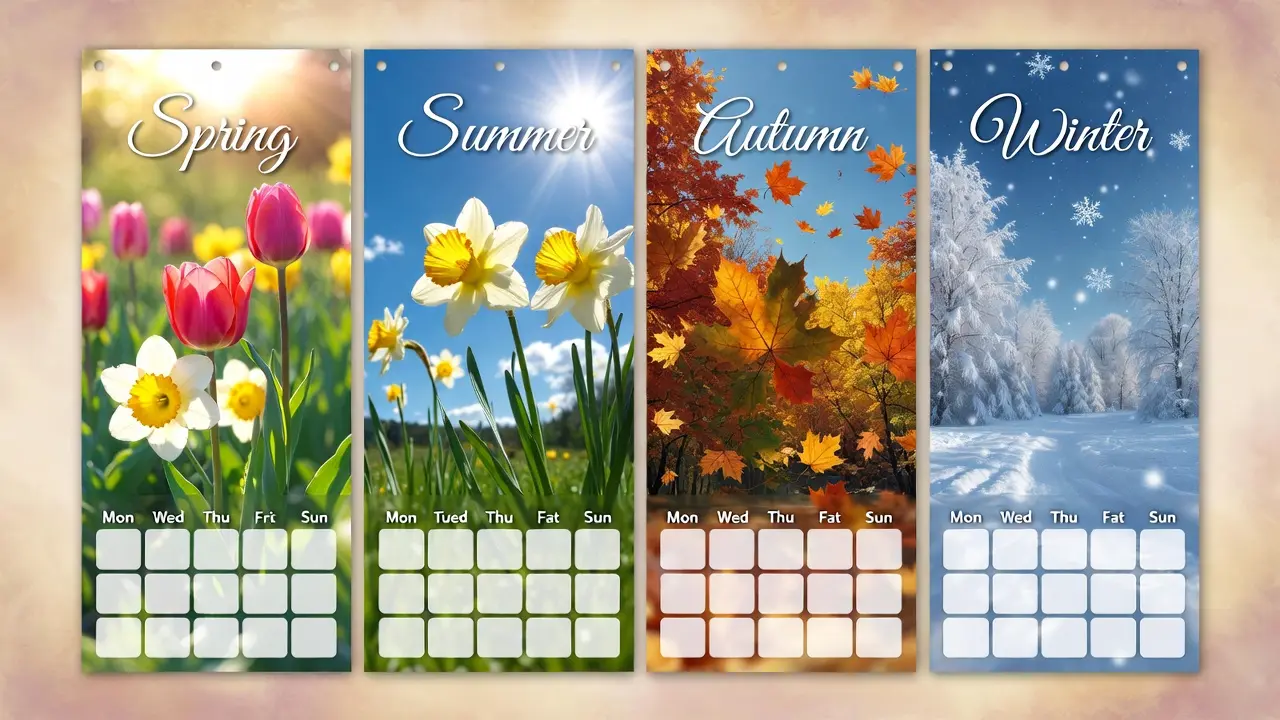
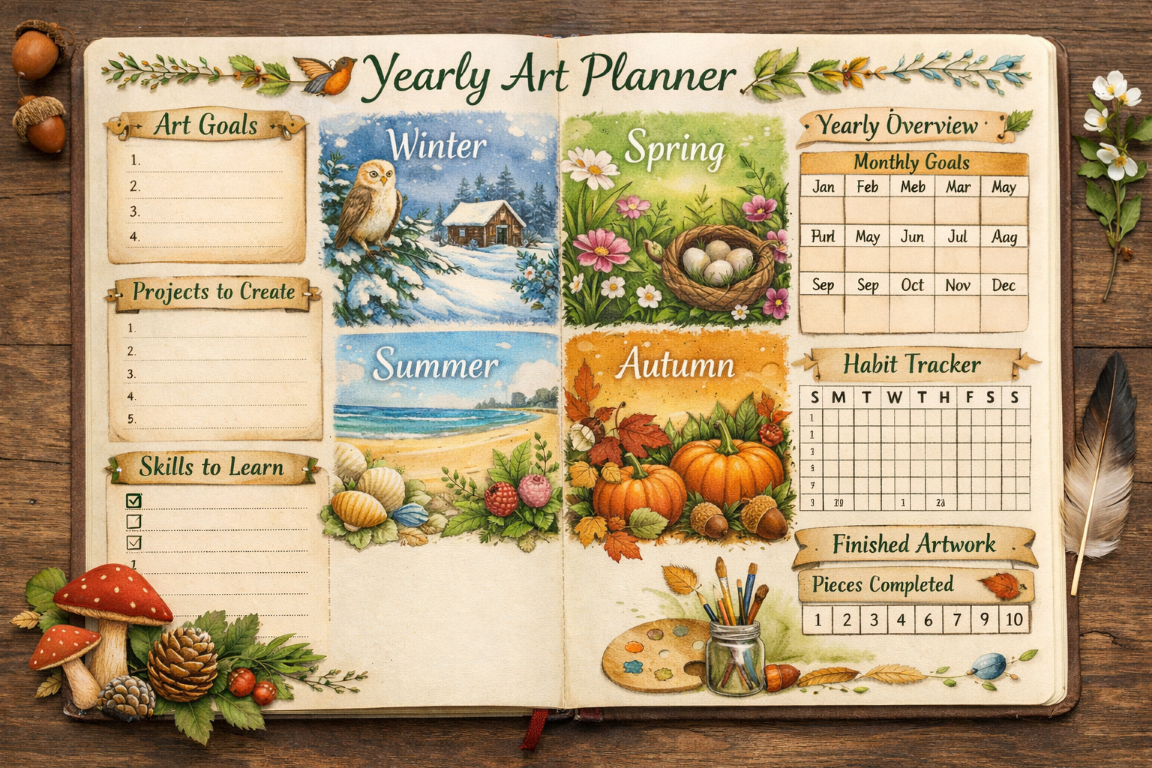
Creating a seasonal art calendar transforms your creative practice from sporadic inspiration to intentional, year-round expression. A well-structured DIY art planner helps align your artistic pursuits with the natural rhythms of each season, creating a personalized yearly art schedule that celebrates the unique beauty and creative possibilities of spring, summer, autumn, and winter.
Why Create a Seasonal Art Calendar?
A seasonal art calendar serves as your creative roadmap, offering structure while remaining flexible for spontaneous inspiration. By organizing monthly art project ideas around seasonal themes, you maintain consistent creative practice, enjoy fresh seasonal creative activities, progress naturally through different techniques, stay motivated by anticipating upcoming projects, and document your artistic growth throughout the year.
Step 1: Understand the Seasons and Their Creative Potential
Before you can map out your DIY art planner, please understand each season’s unique artistic opportunities.
Spring: Renewal and Growth
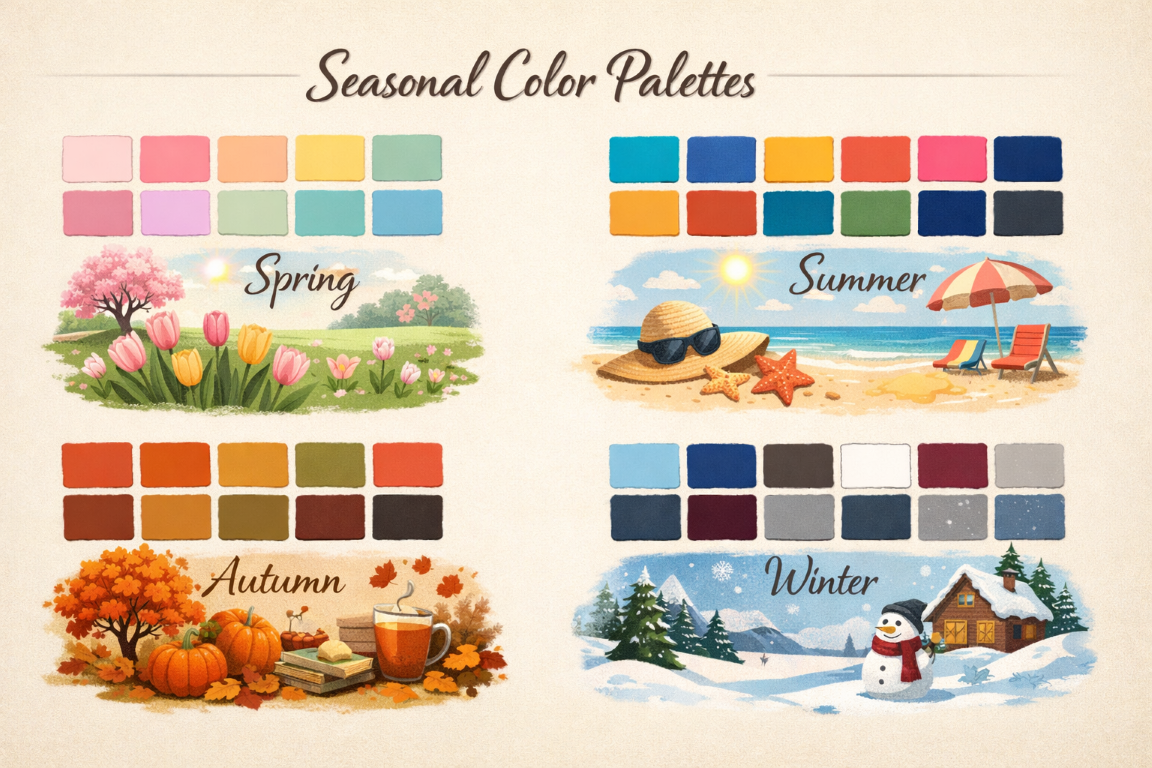
Spring offers themes of renewal, fresh beginnings, and vibrant colors. Incorporate spring coloring pages for renewal into March-May planning, featuring botanical illustrations, garden-inspired mandalas, and Easter-themed artwork with cherry blossoms, baby animals, rainbows, and pastel palettes.
Summer: Vibrant Energy and Outdoor Inspiration
Summer brings bold colors and playful creativity. Explore summer coloring ideas for kids featuring beach scenes, tropical flowers, ice cream themes, and outdoor landscapes.
Autumn: Warmth and Transition
Autumn embraces cozy aesthetics and rich earth tones. Discover inspiration through autumn coloring themes and cozy art prompts with fall foliage, harvest themes, woodland creatures, and holiday celebrations.
Winter: Reflection and Festivity
Winter combines festive celebration with quiet reflection. Explore winter holiday coloring traditions around the world for snowflakes, holiday decorations, cozy scenes, and New Year’s intention-setting art.
Step 2: Choose Your Calendar Format
Your DIY art planner should match your lifestyle. Options include digital calendars (Google Calendar, Notion) for flexibility, physical planners for tactile satisfaction, wall calendars for family visibility, or a hybrid approach combining formats.
Step 3: Map Out Monthly Themes
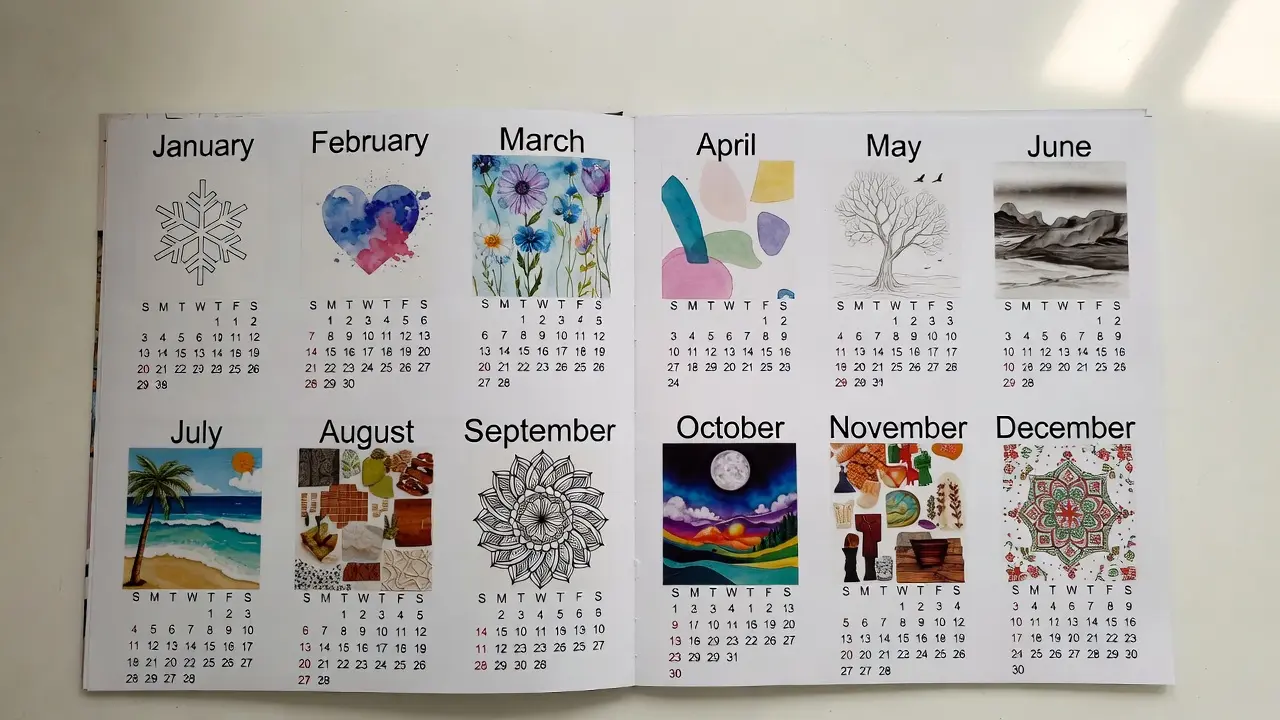
Break down your creative yearly art schedule into monthly themes:
January: Winter landscapes, goal-setting mandalas
February: Valentine’s themes, cozy indoor scenes
March: Spring awakening, early flowers
April: Rain and renewal, Easter motifs
May: Mother’s Day, blooming gardens
June: Summer solstice, Father’s Day
July: Beach and ocean, tropical vibrancy
August: Late summer harvest, vacation memories
September: Autumn transition, harvest beginning
October: Halloween, falling leaves
November: Thanksgiving, gratitude themes
December: Winter holidays, year-end reflection
Discover more inspiration through seasonal celebrations and holiday coloring traditions.
Step 4: Schedule Specific Projects
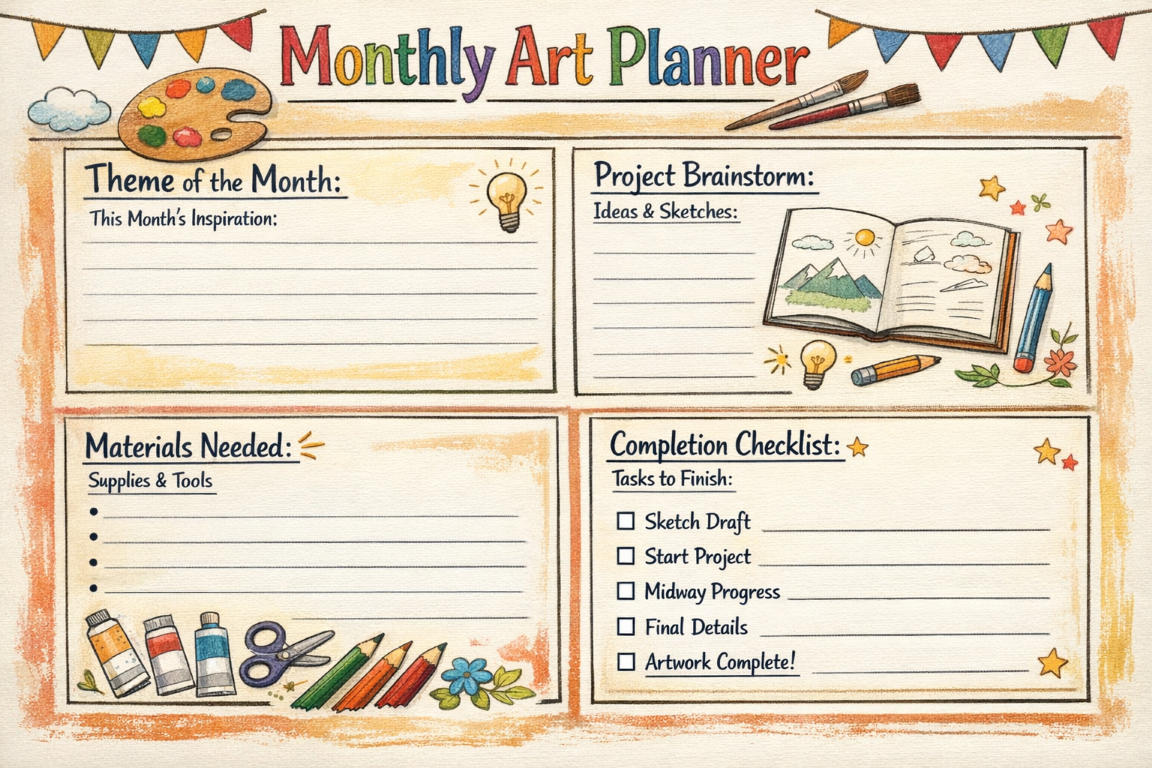
Transform themes into actionable monthly art project ideas. For each month, identify 2-4 specific projects: quick projects (1-2 hours) like coloring pages, medium projects (3-5 hours) like detailed coloring books, or long projects (6+ hours) like large paintings.
Product Recommendations for Your Seasonal Calendar
- Spring Reset Activity Bundle: 68 printable spring coloring pages
- Fall Coloring Bundle: Complete collection for September through November
- Christmas and Winter Coloring Pages Bundle: 200+ printable designs for December
Step 5: Build in Flexibility
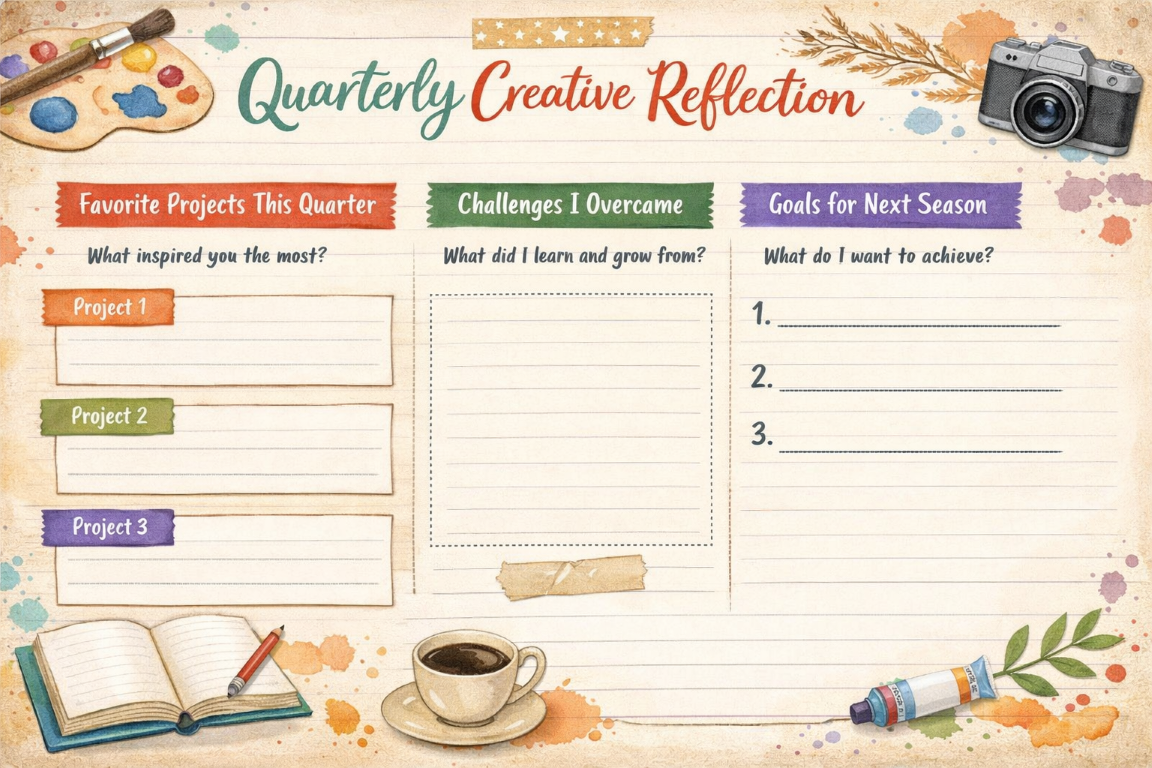
Your DIY art planner should accommodate unpredictability. Leave buffer time for spontaneous inspiration, conduct monthly reviews to adjust plans, and perform seasonal reassessments every three months.
Step 6: Organize Supplies Seasonally
Organize materials by season: spring pastels and watercolors; summer bright markers and acrylics; autumn earth-tone pencils and warm metallics; winter cool-toned markers and glitter supplies. Maintain core year-round supplies, including high-quality coloring tools, a variety of papers, basic craft supplies, and storage solutions.
Step 7: Connect with Community
Share your calendar through online art challenges, social media, local art circles, seasonal swaps, or by documenting your journey through blogs.
Step 8: Personalize Your Calendar
Your DIY art planner should reflect your unique interests. Include birthday months for family portraits, add cultural celebrations vital to you, schedule technique learning, incorporate personal milestones, and plan series projects spanning multiple months.
Overcoming Common Challenges
“I Don’t Have Time”: Start with 15 minutes weekly. Even single coloring pages count.
“I’m Not Feeling Inspired”: Browse themed resources or switch to a different month’s project.
“I’m Too Far Behind”: Skip what doesn’t serve you. Creative practice is about joy, not perfection.
“Projects Aren’t Turning Out”: Focus on process over outcome. Try beginner-friendly coloring pages.
Conclusion: Your Creative Journey Awaits
Creating a seasonal art calendar transforms creative practice from an occasional activity to an integrated lifestyle rhythm. By aligning monthly art project ideas with natural seasonal cycles, you create a sustainable, inspiring structure that evolves with you throughout the year.
Your DIY art planner becomes more than organization—it’s creative documentation, a source of motivation, and a personal growth tracker. Whether filling pages from the Spring Reset Activity Bundle, exploring the Fall Coloring Bundle, or creating original seasonal works, each project connects you more deeply to the year’s natural rhythm.
Start small, stay flexible, and remember that the best yearly art schedule is one you’ll actually enjoy using. Your creative journey deserves this intentional framework—begin planning your seasonal art calendar today and discover how structured creativity amplifies both productivity and joy.
Related Resources
Explore More Seasonal Inspiration:
- Seasonal Celebrations & Holiday Coloring Traditions
- Spring Coloring Pages for Renewal
- Summer Coloring Ideas for Kids
- Autumn Coloring Themes + Cozy Art Prompts
- Winter Holiday Coloring Traditions Around the World
Related Articles:
- How to Create a Daily Coloring Ritual
- Spring Coloring Inspiration: 2026 Color Trends for Adult Coloring Books
🎨 Not sure where to start?
Here are our most loved products.
FAQ
🎨 Not sure where to start? Here are our most loved products.
Q1: How much time should I dedicate to my seasonal art calendar each week?
A: Start with what’s realistic for your lifestyle. Even 30 minutes per week can make meaningful progress. Many successful artists dedicate 1-3 hours per week to seasonal creative activities, divided into smaller sessions. The key is consistency over duration—regular 20-minute sessions often produce better results than monthly marathon sessions. As you build momentum, you can gradually increase time investment based on your enjoyment and available schedule.
Q2: What if I miss several weeks or months on my seasonal art calendar?
A: Your DIY art planner is a guide, not a rigid obligation. Life happens, and creative practice should reduce stress, not add to it. Pick up where the current season allows—if you’re in autumn but missed summer projects, start with October themes rather than trying to catch up. You can always return to the seasonal creative activities you missed next year with a fresh perspective. Consider consolidating skipped months into a single signature project to maintain continuity without overwhelming the reader.
Q3: Can I create a seasonal art calendar with my children or family?
A: Absolutely! Family seasonal art calendars create excellent opportunities for bonding and traditions. Adapt projects to multiple skill levels—while you work on detailed autumn mandalas, children can use simpler autumn coloring themes from collections like Summer Coloring Ideas for Kids. Schedule monthly family art nights, rotate project selection among family members, and create collaborative pieces where everyone contributes. Display completed work in a seasonal rotation to celebrate everyone’s creativity.
Q4: Do I need expensive supplies to maintain a yearly art schedule?
A: Not at all. Start with basic colored pencils, markers, or crayons, and printed coloring pages like those in the Spring Reset Activity Bundle. Many successful seasonal art calendars rely primarily on printable resources and affordable supplies. Gradually invest in quality as you identify preferred media. Free seasonal templates, nature-collected materials (leaves and flowers for pressing), and household items can beautifully complement purchased supplies. Your yearly art schedule succeeds through consistency, not expensive materials.
Q5: How do I choose between too many monthly art project ideas?
A: When overwhelmed by options, apply these filters: (1) What genuinely excites you right now? (2) What matches your current skill level, plus a slight stretch? (3) What fits available time and energy? (4) What connects to upcoming celebrations or seasons? Select 2-3 projects monthly—one quick win, one medium challenge, one optional ambitious project. Save overflow ideas in a “future projects” section of your planner. Remember, your seasonal art calendar repeats annually, so past ideas can shine next year.
Q6: Should my seasonal art calendar include learning new techniques?
A: Incorporating technique development enhances long-term growth, but balance learning with enjoyable creation. Dedicate one project monthly to skill building while keeping others comfortable and relaxing. For example, if learning color blending, apply it to one autumn leaf page while completing other projects with familiar methods. This approach prevents frustration and maintains creative joy. Resources such as seasonal celebrations and holiday coloring traditions offer opportunities to practice techniques in appealing, themed contexts.
Q7: How can I make my DIY art planner more sustainable and eco-friendly?
A: Choose digital planning tools when possible, print double-sided on recycled paper, use non-toxic supplies, and create projects that can be gifted or repurposed rather than stored indefinitely. Select printable resources you’ll actually use to avoid waste. Consider the Fall Coloring Bundle, which offers numerous pages for a single purchase, maximizing value and minimizing packaging. Use natural materials for some projects—pressed flowers, fallen leaves, natural dyes. Store supplies properly to extend lifespan and reduce replacement needs.
Q8: What should I do when seasonal themes don’t inspire me?
A: Personal connection matters more than strict seasonal adherence. If autumn leaves bore you, explore alternative autumn themes—cozy interiors, harvest festivals, or Halloween fantasies. Modify seasonal creative activities to match your interests—love space? Create cosmic autumn color palettes. Prefer minimalism? Interpret seasons through simple geometric designs. Your calendar should serve your creativity, so adapt freely. Browse diverse interpretations in resources such as Winter Holiday Coloring Traditions Around the World for non-traditional seasonal perspectives.
Ready to begin your creative year? Download the Christmas and Winter Coloring Pages Bundle and start planning December’s festive projects today!
The seasonal art calendar idea is genius! Organizing my coloring practice around seasons adds structure and variety.
Creating a year-long portfolio through seasonal themes has given me a sense of accomplishment and progress.
Very solid resource for anyone interested in adult coloring. The designs are thoughtful and the quality is consistently good.